Etsy AI-training terms prompt sellers to consider leaving
The policy gives Etsy and authorised partners rights to use member content for AI development, with no general US opt-out identified.
Ledger: DisputedNo outcome yet
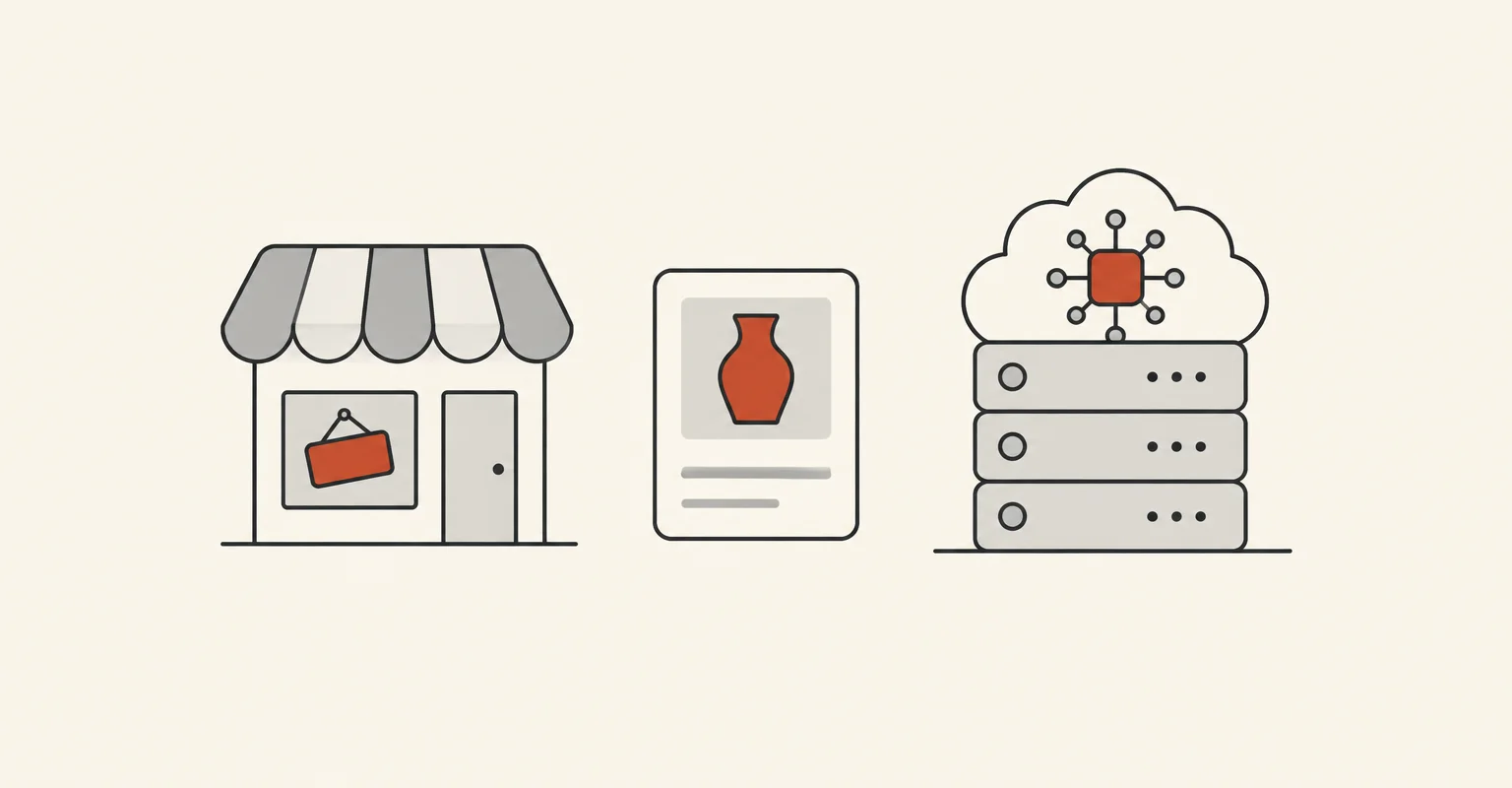
Etsy has revised its Terms of Use to permit the company, its third-party partners and vendors to use sellers’ content to develop, train, test and improve artificial-intelligence and machine-learning technologies. The change has prompted creatives to announce store closures on social media and has renewed concern about whether sellers can keep their work off AI training systems while remaining on the marketplace.
The updated terms, published Oct. 26, take effect Dec. 16. Etsy said the revision was intended to clarify how it uses AI in its marketplace. It applies to member content including listing information, product reviews and community posts, and adds AI-training permission to Etsy’s existing perpetual licence to reproduce, modify, distribute and create derivative works from user content.
Etsy has said it does not claim sellers’ creations as its own or give others the right to do so. The company also says it does not train models intended to copy an artist’s original work or replace their creativity.
The company describes several current uses for AI: detecting potentially fraudulent accounts and associated listings, understanding inventory, improving search and tailored recommendations, and building tools intended to help sellers run their businesses and understand buyer expectations. Seller content is also used for functions such as translating descriptions, featuring listing photos in marketing and developing listing-optimisation and shop-performance tools.
However, the policy does not identify a general way for US sellers to exclude their content from AI training while continuing to sell on Etsy. Value Added Resource reported that the company had also not clarified whether authorised third parties could use seller material to develop AI products unrelated to Etsy, or how deleted and previously uploaded content would be treated. Because the licence is perpetual and irrevocable, closing a shop or removing a listing may not end permission to use content uploaded earlier.
The terms draw a distinction between third-party integrations that a seller chooses to authorise and vendors that Etsy itself permits to access content. They also prohibit third parties from using material obtained through Etsy services to develop, train, fine-tune, evaluate or benchmark AI systems without Etsy’s permission. Etsy says it uses security tools to detect and limit unauthorised scraping.
The revision arrives after Etsy tightened rules on AI-generated products and listing images four days before publishing the new terms. Its 2024 rules required disclosure when AI was used in listings, prohibited deceptive AI use and barred the sale of customised AI prompts. AI-generated artwork involving seller creative input and disclosure remains permitted under the company’s stated principles.
Creative Bloq reported that some sellers have begun directing customers to shop with them away from Etsy, while others say they cannot leave because the platform remains their principal source of income during a crucial sales period. Smaller anti-AI marketplaces, including Marmalade Handmade, offer alternatives but do not match Etsy’s scale. Etsy had about 5.6 million sellers, according to its 2025 transparency report.