Wikimedia asks court to separate AI training from chatbot retrieval
Its brief in the New York Times-OpenAI litigation warns that overly broad fair-use rules could harm both open-source development and the web’s knowledge commons.
Ledger: DisputedNo outcome yet
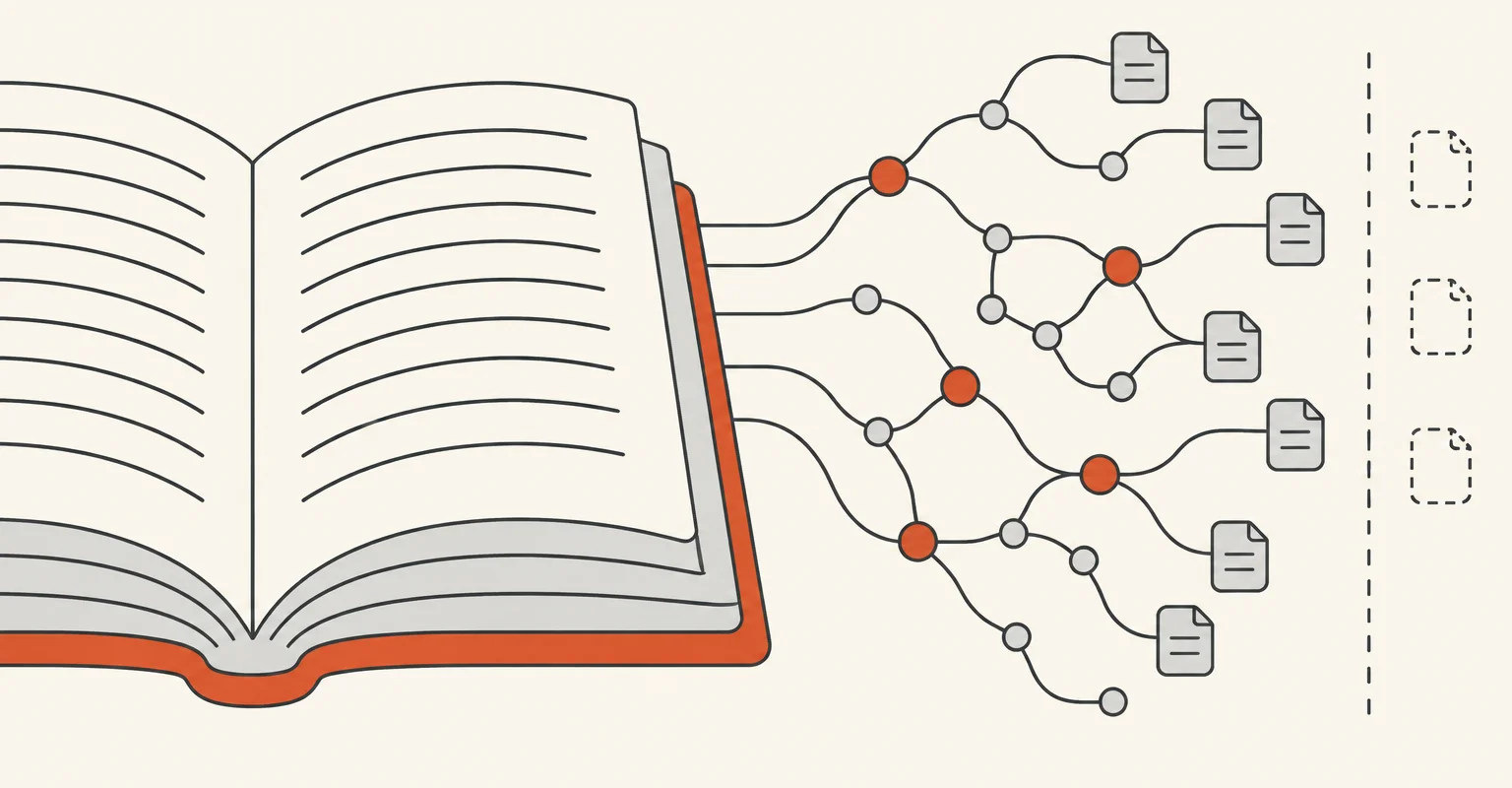
The Wikimedia Foundation has urged a federal court in Manhattan to draw a line between training artificial-intelligence models on copyrighted material and systems that retrieve and reproduce that material for users.
In an amicus brief filed Oct. 30 in the consolidated In re: OpenAI, Inc. Copyright Infringement Litigation, the operator of Wikipedia argued that training can qualify as fair use when a model produces something new and different from its sources. But it said retrieval-augmented generation, which connects an answer to outside sources, should generally require compliance with a platform’s or publisher’s licensing terms when it retrieves and reproduces copyrighted works.
The case combines 12 lawsuits, including The New York Times Co. v. Microsoft and OpenAI. The Times sued the companies in December 2023, alleging that they used Times-owned content, including for model training, in violation of copyright law. OpenAI and Microsoft have argued that training and deploying models on publicly available data is technological development protected by fair use.
Wikimedia said it was not taking either side’s position. Its brief warned that categorically treating copyrighted training data as unfair use could limit open-source development to the largest and best-funded organizations, while a blanket fair-use finding could encourage publishers to put more information behind barriers and reduce the source material available to Wikipedia’s volunteer editors.
“We are taking a position in this case to defend the free and open human knowledge that Wikipedia depends on,” Bernadette Meehan, Wikimedia’s chief executive, said. The foundation said AI tools can help Wikipedia editors fight vandalism, identify copyright violations and doxxing, and find articles needing improvement.
The distinction has practical implications for Wikipedia’s own material. Its CC BY-SA 4.0 licence requires attribution to original contributors and requires adaptations to be released under the same licence. Wikimedia said AI companies using Wikipedia through retrieval-augmented generation must meet those terms, and said scraping of its projects should observe public API rate limits or use Wikimedia Enterprise API offerings.
Wikipedia has more than 67 million articles in 300 languages, created and improved by nearly 250,000 monthly volunteers. Wikimedia said its sites have become important training data sources for AI and machine-learning systems, even as those systems can divert visitors from the communities that maintain them.
The filing joins a widening set of interventions over how copyright law applies to generative AI. The U.S. Copyright Office noted in a May 2025 report that dozens of AI-training fair-use lawsuits were pending, and described the competing concerns that licensing could impede transformative technology while unlicensed training could harm creative markets and yield competing content.
Publishers’ organisations took the opposing side in a separate Oct. 29 amicus brief, backing the plaintiffs’ request for summary judgment. The Association of American Publishers and three other groups argued that OpenAI made sweeping unauthorised uses of copyrighted works to train commercial models, and said the court’s decision could become the first New York court opinion to address copyright and AI training.
- Companies OpenAI, Microsoft, The New York Times