Art and design Story from
UNSW survey probes how platform terms govern artists’ AI rights
Australian visual artists are being asked whether contracts shape their control, consent and payment as AI enters creative tools.
Ledger: DisputedNo outcome yet
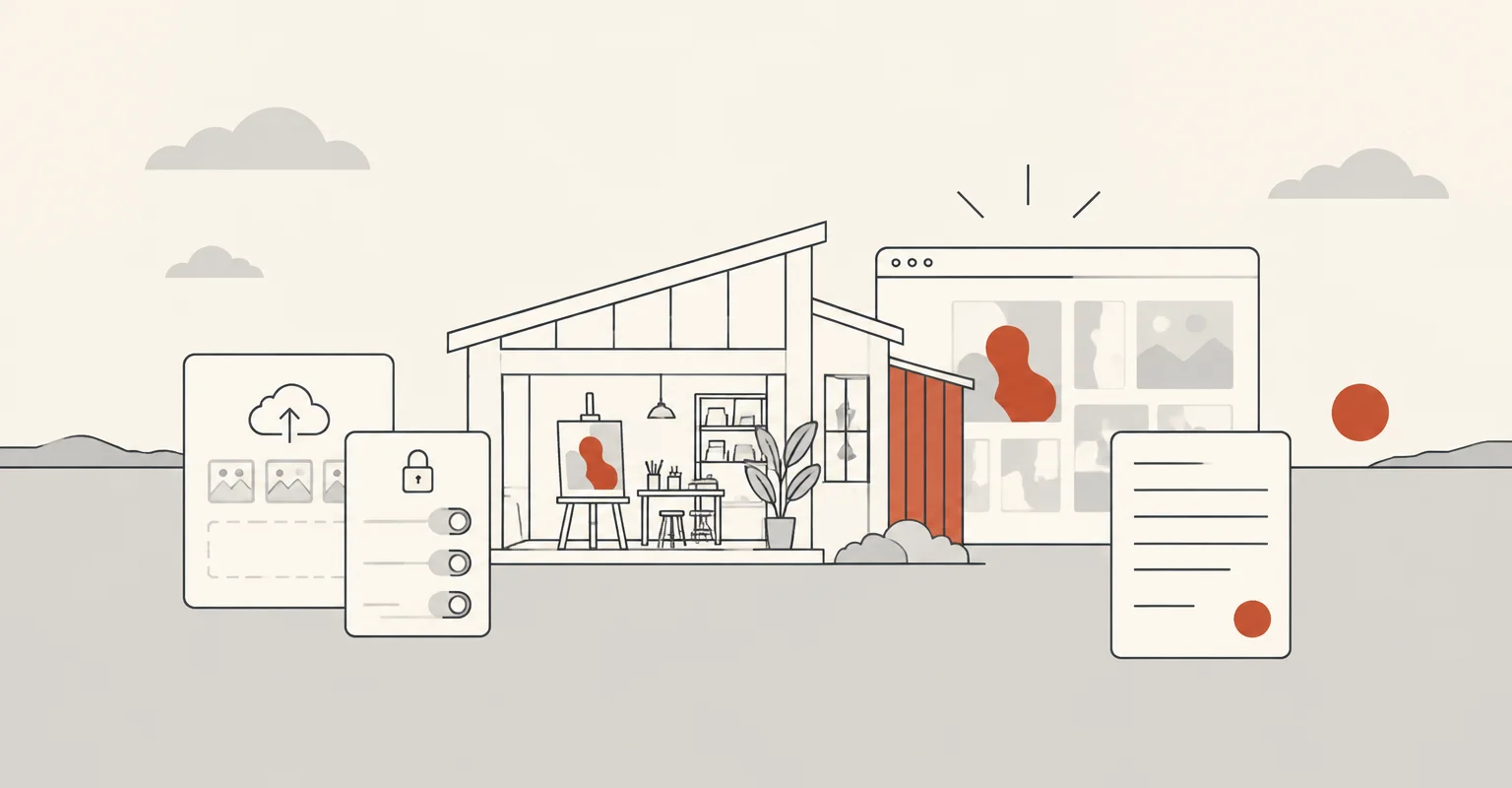
UNSW Sydney, the University of Newcastle and the Arts Law Centre of Australia have launched an anonymous survey asking Australian visual artists how artificial intelligence tools and platforms affect the use of their work, their copyright, creative control and prospects for payment.
The research examines the terms and conditions attached to creative software, social platforms and AI services, and whether artists understand what rights they retain or surrender when they accept them. It forms part of the Australian Research Council-funded Discovery Project “Artists and Generative-AI: Copyright and Private Regulation of Creativity”, which is intended to inform advocacy, legal education, policy and future resources for creators.
At issue is the unequal bargaining position between individual artists and technology companies that write and enforce complex agreements. Professor Kathy Bowrey said contractual rules can deprive artists of a meaningful choice to opt in or out when they do not understand the conditions governing tools, apps and platforms that interact with AI models.
The practical consequences can vary with where work is made, stored, shared or uploaded. Canva says users keep ownership of their work, although content may be used by Canva and trusted partners to develop AI features depending on privacy settings. Meta says it has used publicly shared Facebook and Instagram posts, including images and captions, to train generative AI, while ArtStation applies a NoAI tag by default and says it neither uses nor licenses marked work for AI training.
Arts Law receives 50 to 80 weekly queries from artists concerned about generative-AI rights. More than 80% of respondents to an earlier National Association for the Visual Arts survey said AI threatened their income, creative practice or moral rights. The project will also consider collective representation, an area where its researchers say visual artists are less well placed than some sectors, including music.
The survey comes amid Australian copyright-policy debate. The Attorney-General’s Department said in October 2025 that the government was not considering a text-and-data-mining exception, while NAVA has said confidential consultations included options under which some online copyright material could be used for AI training unless rights holders opted out. First Nations traditional knowledges and cultural expressions that sit outside copyright law are also identified as unprotected.
The survey takes about 15 minutes, closes on Dec. 31 and offers an optional separate prize draw for a $500 gift voucher, structured to preserve respondents’ anonymity.
- Medium Art and design
- Companies Canva, Meta