Armenia’s National Gallery stages its first AI-generated art exhibition
Sona Abgaryan’s “Index of Pressure” paired video, canvas images and a 3D-printed sculpture with questions about reality and creative agency.
Ledger: AdoptedAI is taken up
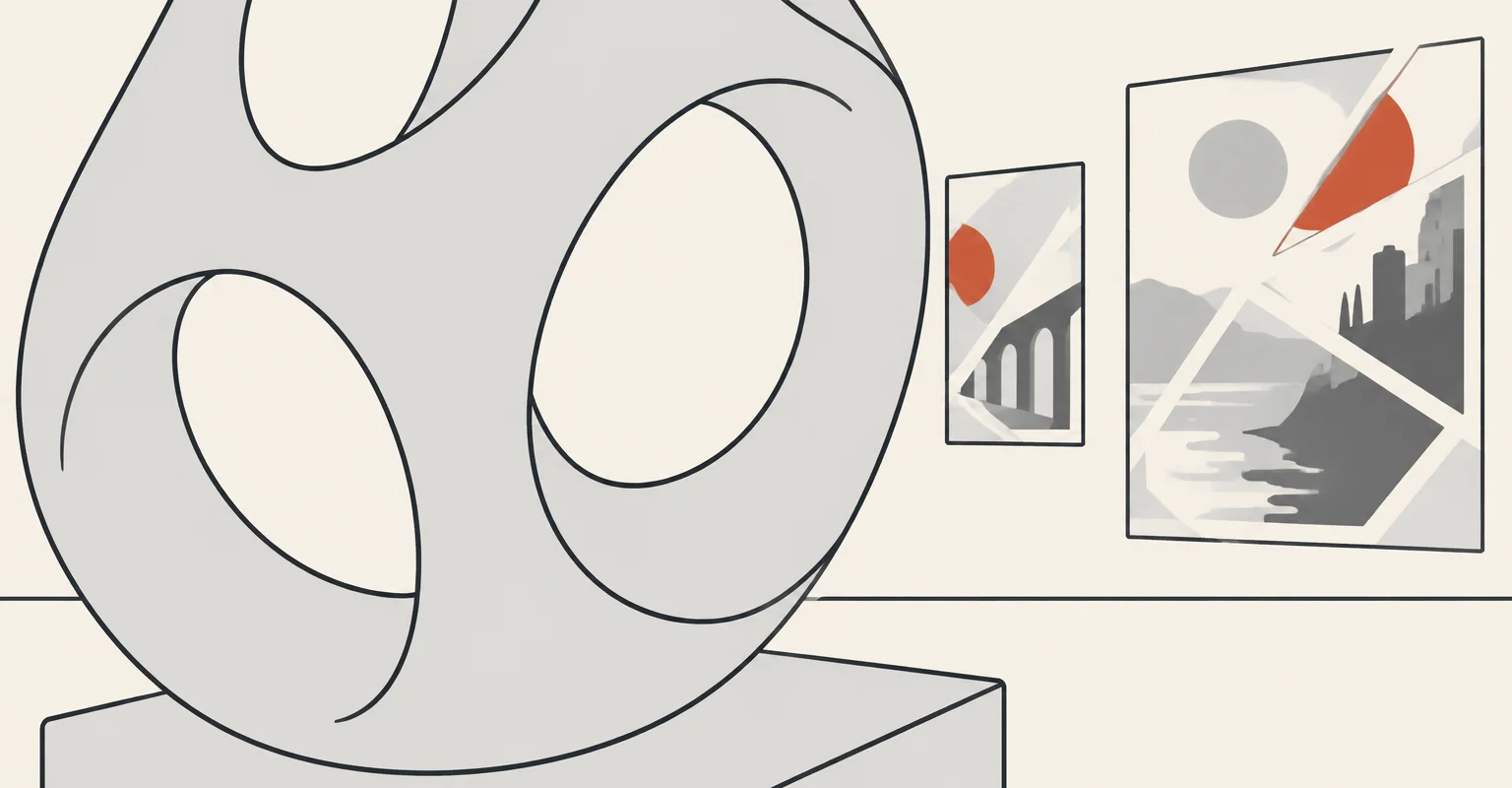
The National Gallery of Armenia has presented “Index of Pressure,” a multimedia installation by the interdisciplinary artist Sona Abgaryan that combines generative AI with painting and sculpture. The gallery described it as its first exhibition featuring an artwork created using artificial intelligence, while Abgaryan called it Armenia’s first AI art exhibition.
The show was presented alongside AI Days 2026. UNDP said the gallery opened it on Nov. 14, the day it hosted AI Agora, while the exhibition’s advertised public run was Nov. 15 through Nov. 29. It was the fourth project in the gallery’s Prospectations programme and was curated by Vigen Galstyan.
At its centre are an AI-generated video, images printed on canvas and a 3D-printed sculpture. Abgaryan combines references to Hollywood cinema, Baroque painting, advertising photography and video games, producing a surreal setting in which recognisable visual languages meet unexpected combinations.
The installation asks whether generative AI will broaden creative capacities and perceptions of reality, or impose new constraints. The gallery’s framing also posed a starker version of that question: whether the technology might expand human agency or move toward dystopian visions associated with films such as “Blade Runner” and “The Matrix.”
Abgaryan said her starting point was curiosity about AI’s possibilities and limitations, particularly the line between the real and unreal. The project emerged from conversations with AI begun the previous year, initially without any plan for an exhibition. She came to regard it as a conversational partner, rather than solely an image-generation system, that could help develop and test ideas.
She drew a parallel between AI and human relationships, saying its limitations recalled the expectations in relationships that go unfulfilled. For her, the participation of viewers and the relationships formed through engaging with the work matter as much as its making; the installation was intended to raise questions rather than settle AI’s place in art.
Abgaryan argued that AI had not created the art world’s crisis, but made pre-existing questions about creativity and society more visible. She linked present uncertainty to political instability, the Covid-19 pandemic, weakening legal systems and broader social uncertainty. AI can reproduce sameness, she said, but may also offer room for experimentation, potentially increasing the value of artists’ professional knowledge as the tools become more widely accessible.
The exhibition formed part of a wider two-day AI Days programme, organised by UNDP’s SDG Innovation Lab with Armenia’s Ministry of High-Tech Industry and Artificial Intelligence, and in cooperation with the Ministry of Education, Science, Culture and Sports. Held Nov. 13-14 under the theme “An Inclusive Future, Shaped by Everyone,” the initiative reached Yerevan and all 10 regions of Armenia through discussions on AI literacy, cybersecurity, governance, work and public participation. Twelve UNDP partner organisations held 16 events on Nov. 13, and 159 schools joined the programme.
- Medium Art and design