Maxon launches AI creation suite and parallel agent licences
Maxon Plus adds generation and browser review tools, while separate headless licences let agents handle supported production tasks.
Ledger: AdoptedAI is taken up
Maxon has launched Maxon Plus, a separate subscription for AI-assisted 3D generation, cloud services and browser-based review, alongside new licences designed to let AI agents work in parallel with artists using Cinema 4D and Autograph.
Maxon Plus starts at €10 or $10 a month. It is separate from Maxon One, Cinema 4D and ZBrush subscriptions, although users need a Maxon account and must meet eligibility requirements. Each pack includes monthly credits for generative AI and cloud services; credits do not roll over, and the cost of a generation, including preview images, is shown before it is run.
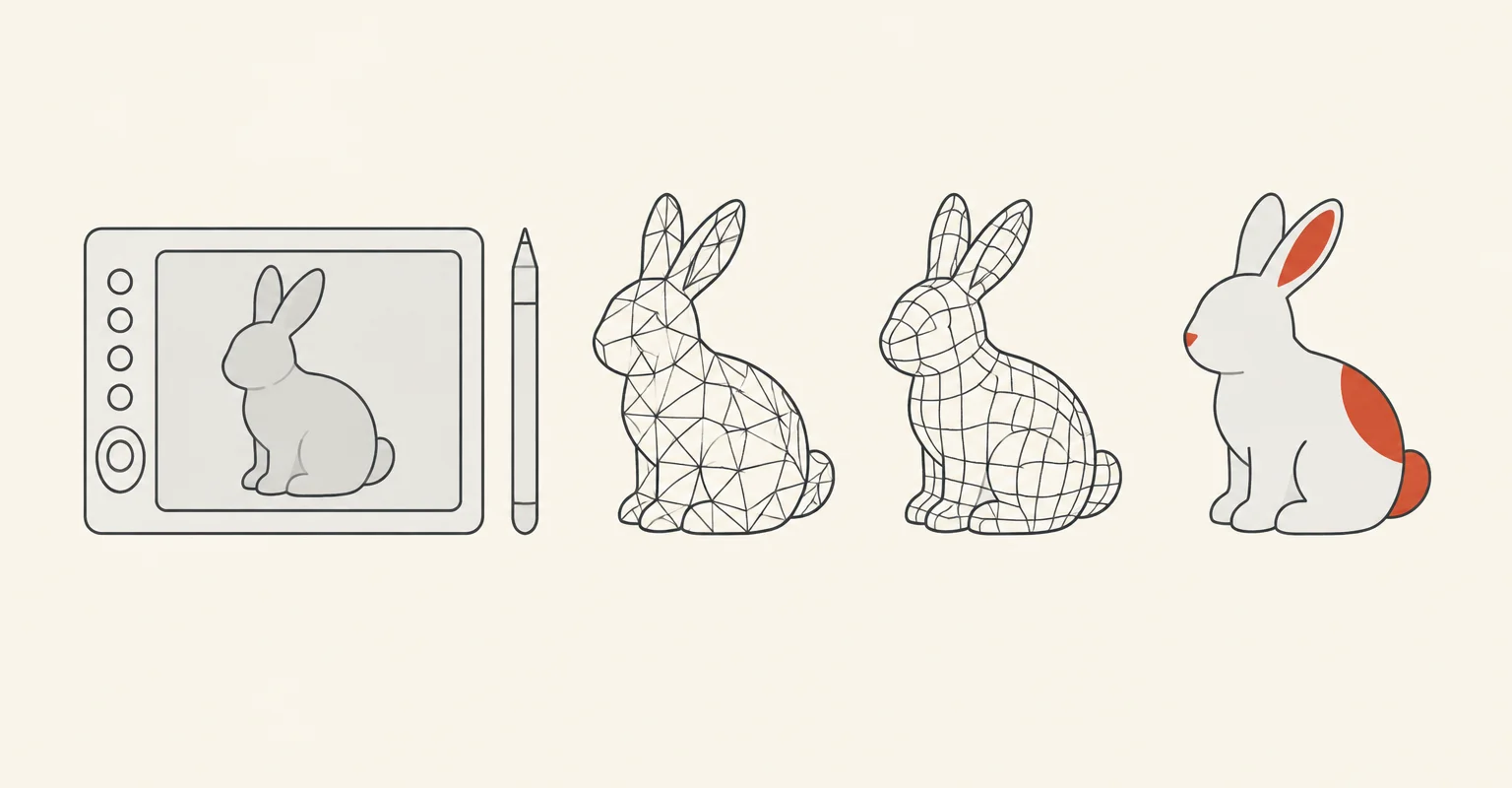
The service centres on three creation tools. Model Generator converts a text prompt or reference image into an editable 3D base model, with preview and art-direction controls before generation. It is intended for such work as props, furniture, background objects and elements of larger models, and is available on the web and in Cinema 4D, where output is remeshed using the application’s technology.
Texture Generator creates alternative looks for existing models from prompts, reference images and multiple camera views. It can generate UVs or retain an existing UV layout, while Cinema 4D users can apply textures to individual model components to create variations. Clay Builder, meanwhile, produces untextured, low-polygon meshes intended as starting points for subdivision, DynaMesh and sculpting, including directly in ZBrush for iPad.
Maxon said its cloud-based AI capabilities use integrations with third-party providers and that it prohibits those providers from training generative models on customer content or derivatives of that content. Model Generator, Texture Generator and the other AI features are restricted to people aged 18 and over. Artists can turn off both local and cloud AI features, as well as all Maxon Plus cloud services, across their accounts.
The package also introduces Maxon Review in Public Preview. The browser-based tool lets collaborators explore interactive 3D models and attach comments to a specific position and viewpoint, which can then return to Cinema 4D with the viewport annotation and referenced camera view restored. In desktop ZBrush, comments appear in a floating window. Review does not consume credits during the preview period.
The review service also supports asynchronous approvals for video and still images as well as interactive 3D assets. Digital Production reported that Review opens through browser links on phones and tablets, using browser proxies rather than uploading original Cinema 4D files, and offers access controls including passwords, invited-user limits and download restrictions.
Separately, Maxon announced monthly Agentic licences for Cinema 4D and Autograph. The licences provide headless copies of the software which AI agents can run in separate instances, including on another computer, without taking up an artist’s principal application licence. The Cinema 4D version includes Redshift rendering capabilities.
The arrangement builds on Maxon’s existing Model Context Protocol support. Earlier MCP workflows required an artist to assign an active Cinema 4D session to an assistant, preventing simultaneous work in that session, according to Creative Bloq. The new setup is intended to allow agents to generate product variations, prepare scene files, organise projects or nodes, and check settings while the artist continues modelling, animating or rendering.
Cinema 4D Agentic starts at $49 a month and Autograph Agentic at $29, for named users and teams. The AI assistant services themselves are separate from these licences and may bring additional charges and their own data policies.
The launch clarifies an AI teaser that drew artist criticism in October, as we reported. Maxon has framed the tools as assistance rather than autonomous finished-art generation, saying artists retain control of results and can continue to use established workflows alongside the new services.
- Medium Art and design