David Fincher defends AI as “Cliff Booth” faces backlash over apparent use
Reviewers did not identify specific scenes that may have used AI, while early responses cited visual artifacts and the credits list a generative supervisor.
Ledger: DisputedNo outcome yet
David Fincher has defended the use of artificial intelligence as his new Netflix film, “The Further Mis-Adventures of Cliff Booth,” faced criticism over apparent generative-AI imagery. Speaking to the Los Angeles Times, Fincher said: “I’m not a Luddite, so I don’t fear the unknown,” and asked, “Well, it exists. Should we not use it?”
A generative supervisor appears in the credits, while reviews and online viewers have pointed to what they believe are AI-generated elements. Netflix did not immediately respond to a request for comment from TheWrap.
The objections have centred both on the use of the technology and on the perceived quality of particular images. Next Best Picture called apparent generative-AI use in key moments “nothing but an eyesore,” while its review said Fincher’s digital-first approach occasionally clashed with the visual style of Quentin Tarantino’s earlier film.
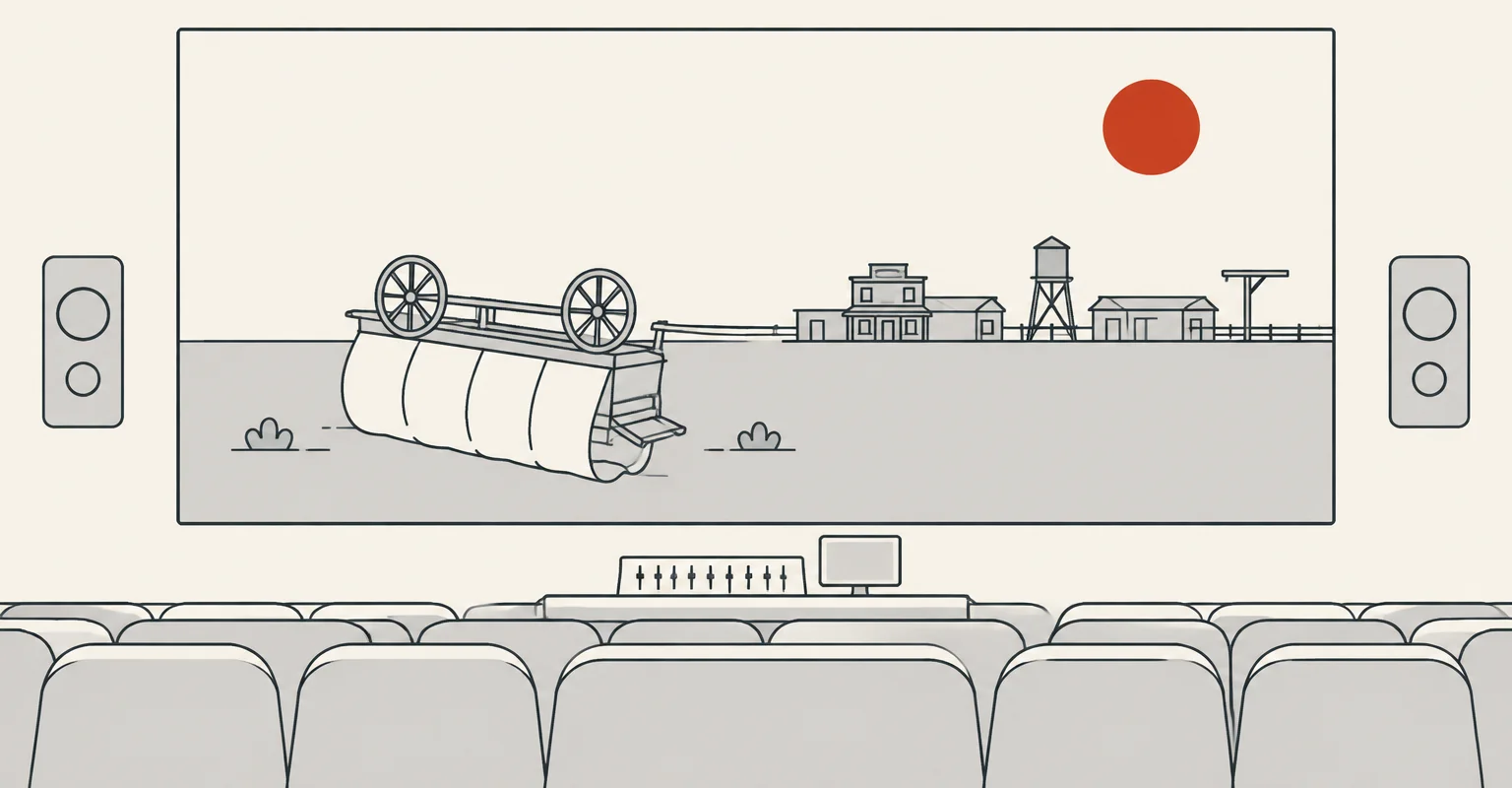
IndieWire reported that early responses highlighted apparent generative-video artifacts in flashbacks, including a trailer shot in which a wagon seemed to be rendered facing the wrong way. The reviews did not identify specific scenes that may have used AI.
Patrick Tomasso, an independent filmmaker, said he left a screening “completely gutted,” arguing that a potentially strong sequel had been overshadowed by “some of the most blatant and egregious AI use” he had seen in a studio film. The entertainment writer Louis Peitzman wrote on Letterboxd that the use of generative AI depressed him and made him feel that he was fighting a losing battle.
Fincher framed his argument as one about filmmaking’s continual technological change. He questioned whether the industry had advanced far enough that it should return to celluloid rather than use tools that can alter details such as a person’s eye colour.
The dispute follows an earlier instance in which Fincher described using AI-assisted processes. IndieWire reported that he had used undisclosed AI tools in the 4K remaster of “Se7en,” where technology helped fill missing visual information by combining flawed and unused takes. That restoration work differs from generating original material.
The film is Fincher’s sequel to Tarantino’s “Once Upon a Time in Hollywood,” with Tarantino writing the 230-page screenplay and Brad Pitt returning as stuntman Cliff Booth. Set in Los Angeles in 1977, eight years after the first film, it was edited down by roughly a quarter before Fincher settled on the final version.
AI’s role in screen production remains contentious. The BBC has reported that actors and writers had previously struck for AI protections, even as the technology was used for voice alterations in films including “Emilia Perez” and “The Brutalist.” “The Further Mis-Adventures of Cliff Booth” opens for a limited IMAX run on Nov. 25 before arriving on Netflix on Dec. 23.
- Medium Film and TV