Film and TV Story from
Yeon Sang-ho’s “Paradise Lost” tests whether AI can sustain a real relationship
The South Korean director’s new thriller pits a mother’s virtual child against the adult son who returns after nine years.
Ledger: DisputedNo outcome yet
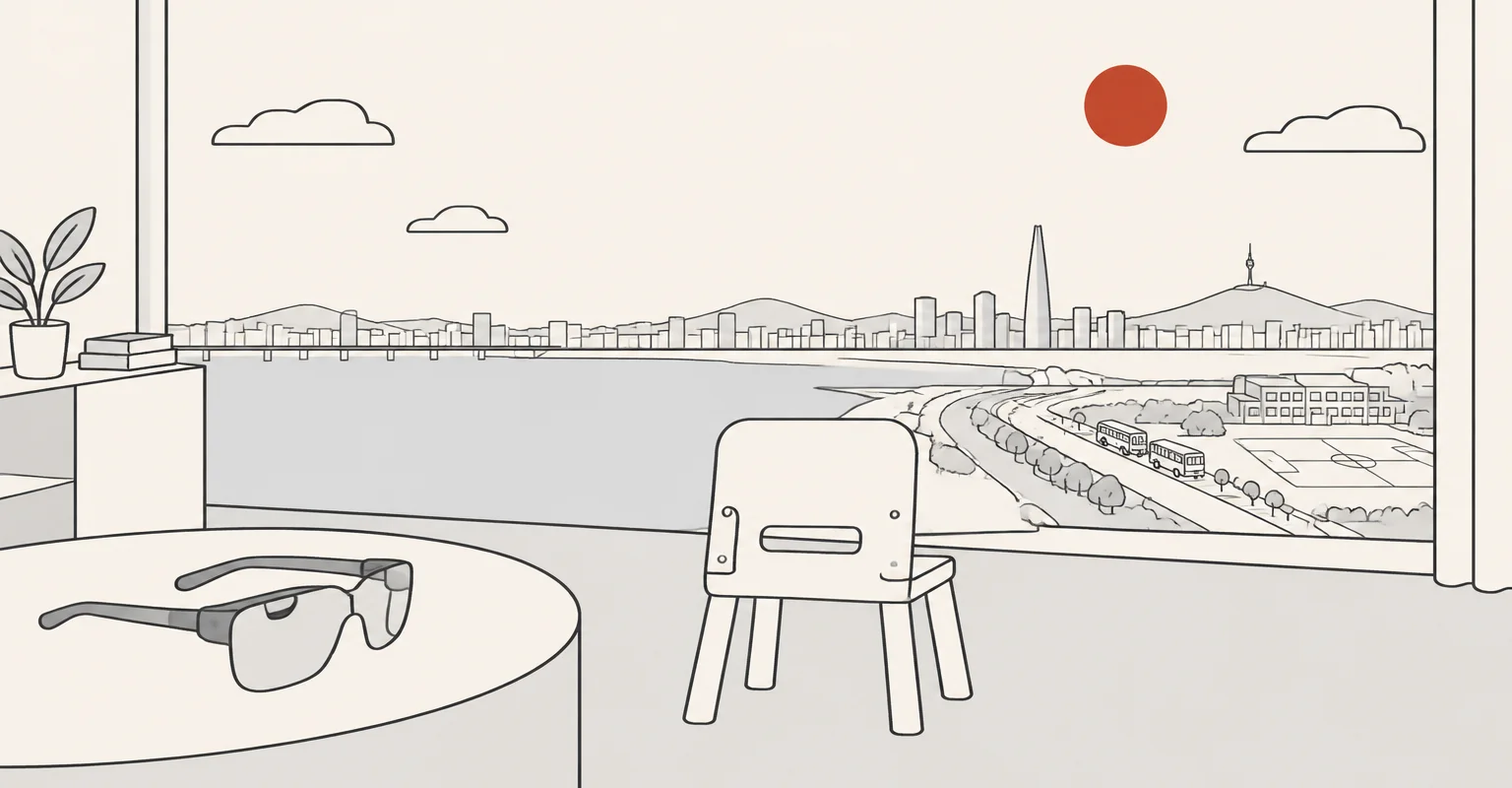
South Korean director Yeon Sang-ho’s psychological thriller “Paradise Lost” uses an AI recreation of a missing child to ask whether an AI can be part of a real relationship. The film follows a mother who has spent nine years with a virtual version of her son before the real child returns as an adult stranger.
Kim Hyun-joo plays Ryu So-young, whose son, Sun-woo, disappeared on a school outing with 12 other children. Through augmented-reality glasses, she interacts daily with an AI recreation fixed at the age of 10. His return forces her to choose emotionally between the person she has known virtually and the grown son she no longer recognises.
“Relationships, mostly,” Yeon said when asked about the film’s central concern. He argued that continuity is essential to recognising someone as the same person, and that the AI Sun-woo had occupied that place in So-young’s life for nine years. Yet he described the system as one that supplies appropriate responses rather than genuinely thinking, asking: “Can you call that a relationship?”
Yeon characterised AI as a sophisticated expression of users’ desires and of collective intelligence. In his reading, a moment when the AI version of Sun-woo appears to cry says more about what lies within So-young than about an independent judgment by the system.
For Yeon, genuine contemplation would require an AI to refuse a request. “If you tell AI to do something and it says, ‘I don’t want to,’ it has started to contemplate,” he said. He also said debates that group all technologies under the term AI can obscure a more fundamental question about how much collective intelligence popular filmmaking needs, comparing audience blind previews with 100 people to a similar process.
The director said Asian filmmakers may be more open to AI than counterparts in Hollywood. He linked that view partly to smaller Asian markets that had once constrained science-fiction filmmaking, while changing technology is widening the range of stories regional filmmakers can pursue. He also said AI was accelerating an erosion of the English-language market’s former dominance.
Yeon’s position is not that AI can straightforwardly substitute for performers. In an interview with The Korea Times, he said actors bring socially established identities and audience judgments that exceed measurable skill, describing AI as “the sum of universality” and cinema as “the sum of originality.” He said “Paradise Lost” examines human identity and emotional boundaries through AI rather than functioning simply as a warning about the technology.
The film was made for about 500 million won with a crew of roughly 20 people. It followed the commercial success of Yeon’s low-budget independent film “The Ugly,” which gave the team confidence to begin the new project and to share incentives with staff and actors. The broader Korean industry has faced declining output, higher costs and weak box-office results, encouraging experiments with micro-budget production and AI tools.
The premise grew from an approximately three-page story written by Yeon’s mother, about a woman facing a tragic choice involving her troubled son. The title invokes John Milton’s poem about humanity’s expulsion from paradise. “Paradise Lost” premiered at the Toronto International Film Festival and opens in North American theaters on Friday.
- Medium Film and TV