Journalism Story from
Mississippi workshop showed student journalists how AI can surface local story leads
More than 550 students joined a Hattiesburg gathering that paired AI demonstrations with lessons on community reporting and local-news survival.
Ledger: AdoptedAI is taken up
More than 550 students joined journalists, educators and media professionals at the University of Southern Mississippi in Hattiesburg for an Oct. 28-29 programme on artificial intelligence, investigative work and the future of local news.
Press Forward Mississippi’s Community Journalism Workshop overlapped with the Mississippi Scholastic Press Association’s fall convention on Oct. 28. The Mississippi Link reported that the combined gathering put high school journalists alongside local-news practitioners and educators for sessions on community engagement, journalism education and sustainable news operations.
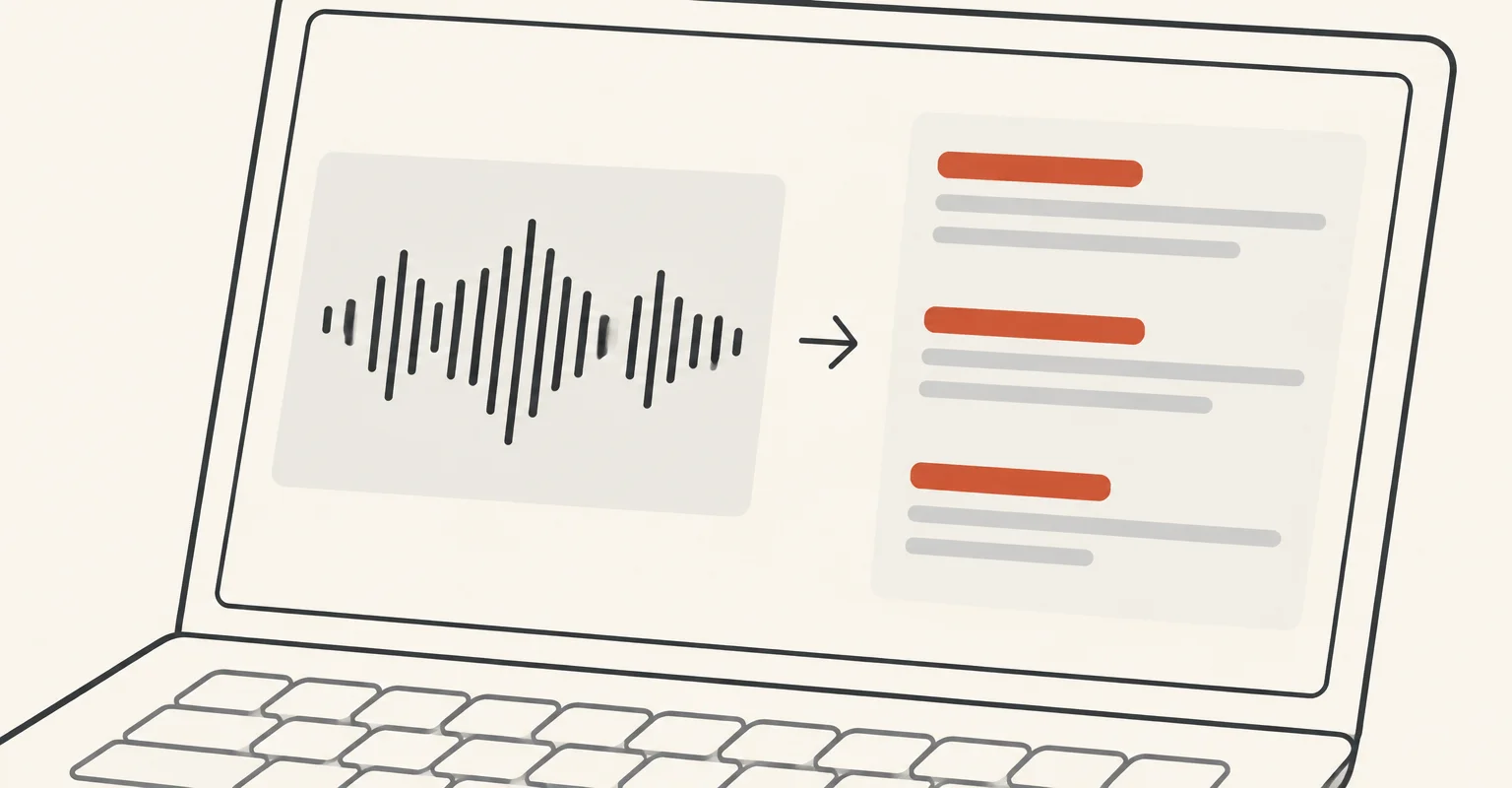
Sean Mussenden demonstrated how ChatGPT could transcribe and summarise government-meeting recordings, then flag subjects that might merit reporting. Using school-board footage, the tool produced potential story leads, though the presentation stressed that reporters must still verify the material and apply editorial judgment.
The workshop’s first day examined the future of Mississippi local news, while the second focused on practical tools for organisations across platforms and business models. Sessions included audience-centred reporting, open-source sourcing, journalism research, philanthropy, community storytellers and new business models.
Peter Imes, publisher of The Commercial Dispatch and president of the Mississippi Press Association, delivered a keynote, “Leading Local News in Your Hometown.” Toby Barker and Melissa Milios Davis discussed journalism’s changing role amid social media and digital platforms, while Torsheta Jackson led a discussion imagining how quality journalism could help Mississippi communities by 2036.
Emily Caballero used WLBT’s yearlong “Fight the Blight” project to illustrate audience-centred reporting. The project starts with residents’ concerns and investigates problems affecting daily life; its reporting prompted property cleanups and other community outcomes.
The convention also highlighted the Mississippi High School Journalism Project, led by The Bell with Press Forward Mississippi support. It works with 18 schools to help public high schools establish journalism programmes and student newsrooms through training, resources and mentorship.
Press Forward Mississippi, a CREATE Foundation-led statewide coalition, framed the event around innovation, collaboration and viable business practices that can help local outlets adapt while retaining public trust. The workshop also shared local-news workflows developed by the Roy Howard Community Journalism Center at Southern Miss and affiliated centres in Maryland, Arizona and Memphis.
- Medium Journalism