AI comparison exposes lost details in William Merritt Chase painting
Conservators used an archival photograph to guide examination of a work altered by earlier restoration campaigns.
Ledger: AdoptedAI is taken up
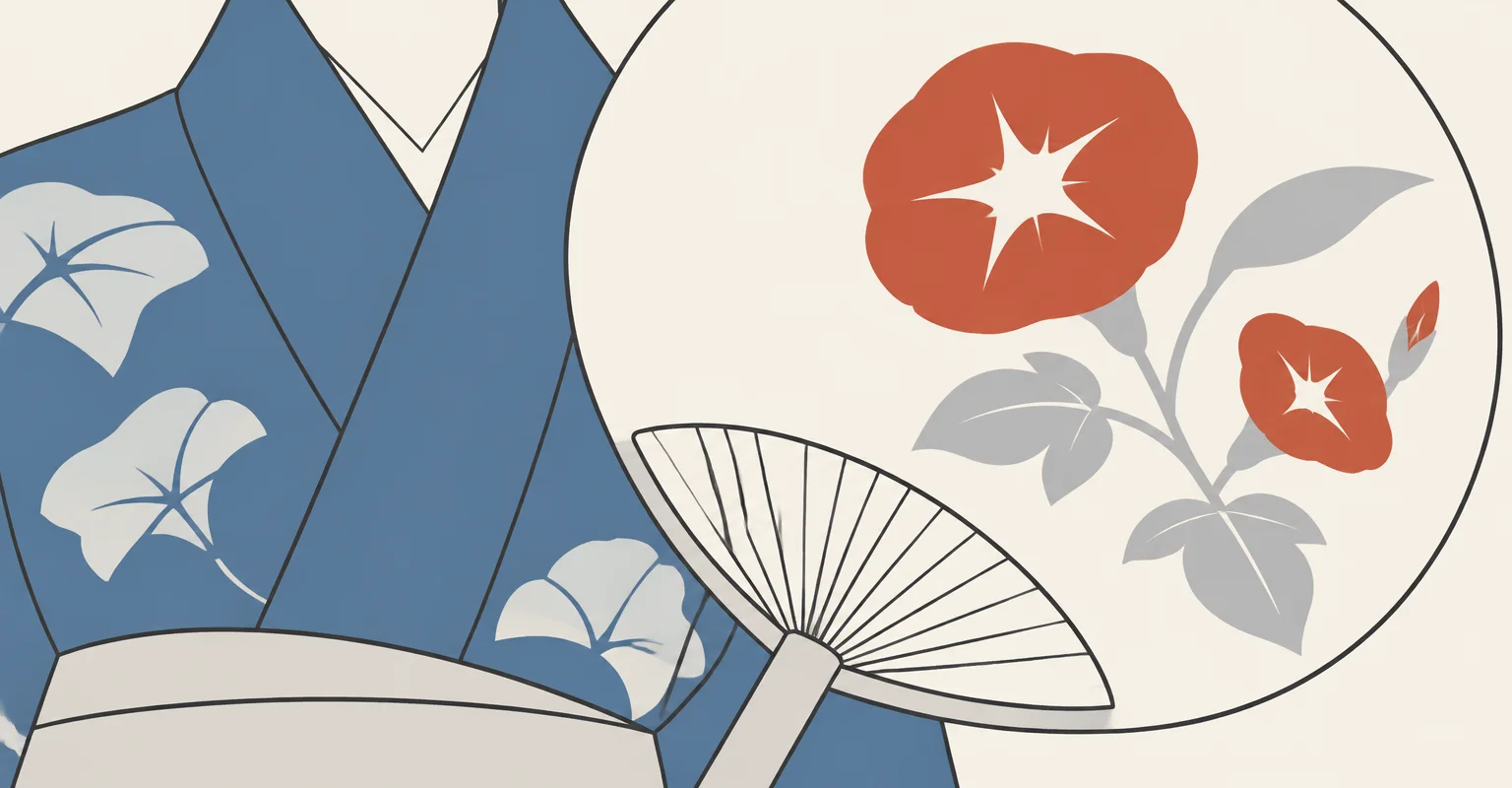
Artificial intelligence helped conservators identify details obscured or lost during earlier treatments of William Merritt Chase’s “A Comfortable Corner,” a painting also known as “The Blue Kimono.” The newly conserved work went on view Nov. 14 at the Parrish Art Museum in Water Mill, New York, in the exhibition “William Merritt Chase and Walter Granville-Smith: American Impressionists of the East End.”
The late-1880s oil painting shows a reclining woman in a richly furnished room, dressed in a deep-blue kimono and holding a round Japanese uchiwa fan. Kaitlin Halloran, the Parrish’s associate curator and publications manager, has called it an important work in Chase’s oeuvre, reflecting a period in which Japanese art and design influenced his work.
The Art Newspaper reported that Suzanne Siano of Modern Art Conservation and her team used a historic black-and-white photograph, believed to predate a major 1960s treatment, to assess the painting. The image showed that more of the composition had once been visible than survives in its later state.
The painting had undergone at least two restorations. The 1960s campaign added a heavy, burlap-like lining, retouching, blotchy inpainting and uneven varnish layers, some of which later discoloured or altered the surface texture. Conservators also concluded that the work was apparently reduced in size, perhaps to fit a new stretcher or because damaged edges had been folded over.
The team combined the old photograph with a current colour image to create an AI-assisted composite that highlighted divergences between the two. It pointed them toward a curl of hair beneath the sitter’s ear, faded or vanished passages of a decorative screen and delicate brushwork that had been covered with heavier marks.
The comparison also helped focus scrutiny on Chase’s very faint signature, whose letters appear in part to have been overpainted. Siano believes it may have been mistaken for part of the carpet pattern in an earlier intervention. The team additionally found pentimenti, or alterations made by Chase during painting, that do not appear in the historic photograph.
Those discoveries did not make the archival image a blueprint for restoration. Because the photograph was low-resolution and was not necessarily a record of the painting’s earliest state, conservators did not automatically reinstate every difference flagged by the software. They weighed it alongside magnified examination, ultraviolet imaging, knowledge of Chase’s materials and comparisons with his other works.
Siano’s studio had not previously used AI to assist with the conservation of a painting. She said the technology’s value in this project was largely its speed, while the decisions about what to restore and how remained with human conservators. She expects AI to become more useful for research, including locating historical images and source material, but regards its role in treatment decisions as case-specific.
The exhibition, organized by Halloran, runs through March 21, 2027. It examines Chase and Walter Granville-Smith’s shared connection to Long Island, and forms part of the Parrish Museum’s USA250: Life, Liberty, and the Pursuit of Happiness programme.
- Medium Art and design