France’s Prix Pascal makes AI-writing process part of the entry
The new French-language prize asks writers to submit a manuscript, a technical AI dossier and the creative “seed” behind the work.
Ledger: AdoptedAI is taken up
France’s new Prix Pascal has opened submissions for French-language writing made with artificial intelligence, requiring entrants to document both their use of the technology and the creative idea from which the project grew. The prize, announced Oct. 16, is offering publication and media visibility to its laureate.
The award was founded by the technology entrepreneurs Philippe Rodriguez, Albin Serviant and Gilles Mentré, and is named for Blaise Pascal. It was presented as a challenge to established literary prizes that have been struggling to draw rules around authors’ use of AI.
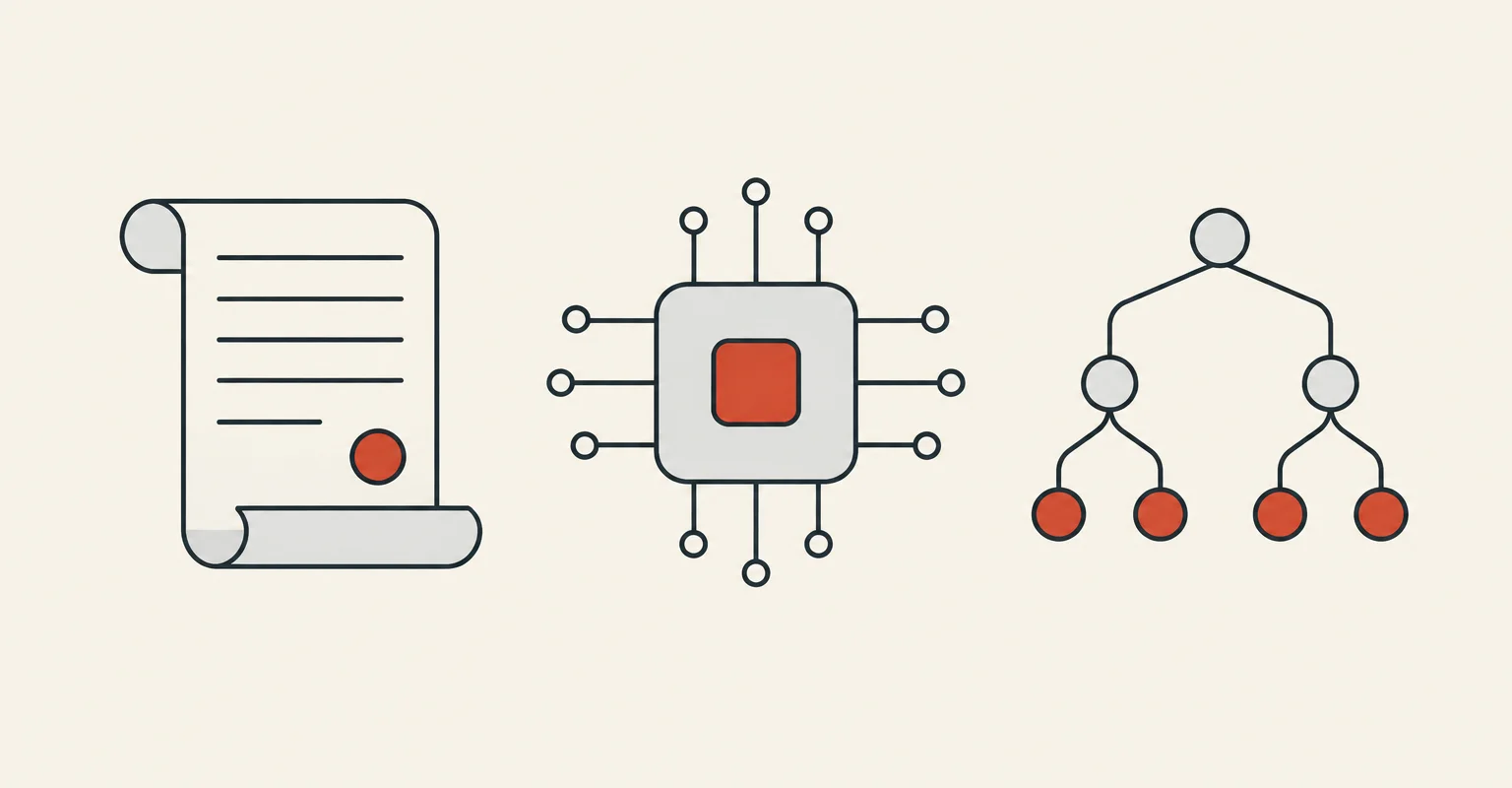
Entrants may use major models including ChatGPT, Claude, Gemini and LLaMA. They must submit an approximately 300,000-character manuscript in French, anonymously and as a PDF, alongside a technical dossier identifying the model or AI agents used and explaining the generation process, architecture and whether the system was generative or agentic.
Applicants must also supply a roughly 4,000-character “Seed”, a word, sentence or number that gave rise to the project, plus a two-page explanation. The rules require submissions to be made simultaneously through an online form, and limit each individual or legal entity to three entries per edition.
The regulations set criteria for an AI-assisted literary prize. Judges are to consider literary quality, narrative and stylistic originality, coherence and command of the human-AI collaboration. They must also assess whether a work has a purpose, offers an unanticipated form, voice or construction, and uses a production method described clearly enough for another author to reproduce and adapt.
Qualifying works are expected to be difficult for a person working alone to reproduce and to make a useful contribution to humanity, including by offering a new understanding of, warning about or route towards an ecological, social or ethical challenge.
The official rules allow self-published works, including books issued through platforms such as Amazon KDP, while excluding works published by traditional publishers. This differs from Le Monde’s description of the competition as open to previously unpublished writers submitting an original, unpublished text. Candidates must declare that AI assisted the work, that they did not manually insert pre-existing third-party human text, and that their documentation is accurate. False declarations bring disqualification and a ban from the next three editions.
The award arrives after disputes over alleged undisclosed AI use in prestigious literary competitions. Thélyson Orélien denied using AI on “C’était ça ou mourir,” but the novel was removed from the Goncourt, Femina and Décembre prize shortlists; Boréal ended its relationship with him after saying new information confirmed AI had been used in the writing process. As this publication reported in October, French publishing has also seen efforts to label books as human-made while other prizes tighten restrictions on AI-generated work.
Applications for the inaugural edition close Nov. 30. The rules provide for 10 nominees to be selected that day, followed by an award ceremony in early December.
- Medium Books