Hasbro builds Character.OS to license AI conversations with its characters
Sixth Wall’s system pairs voice-clone contracts and character-specific guardrails with a roster including Optimus Prime and Megatron.
Ledger: AdoptedAI is taken up
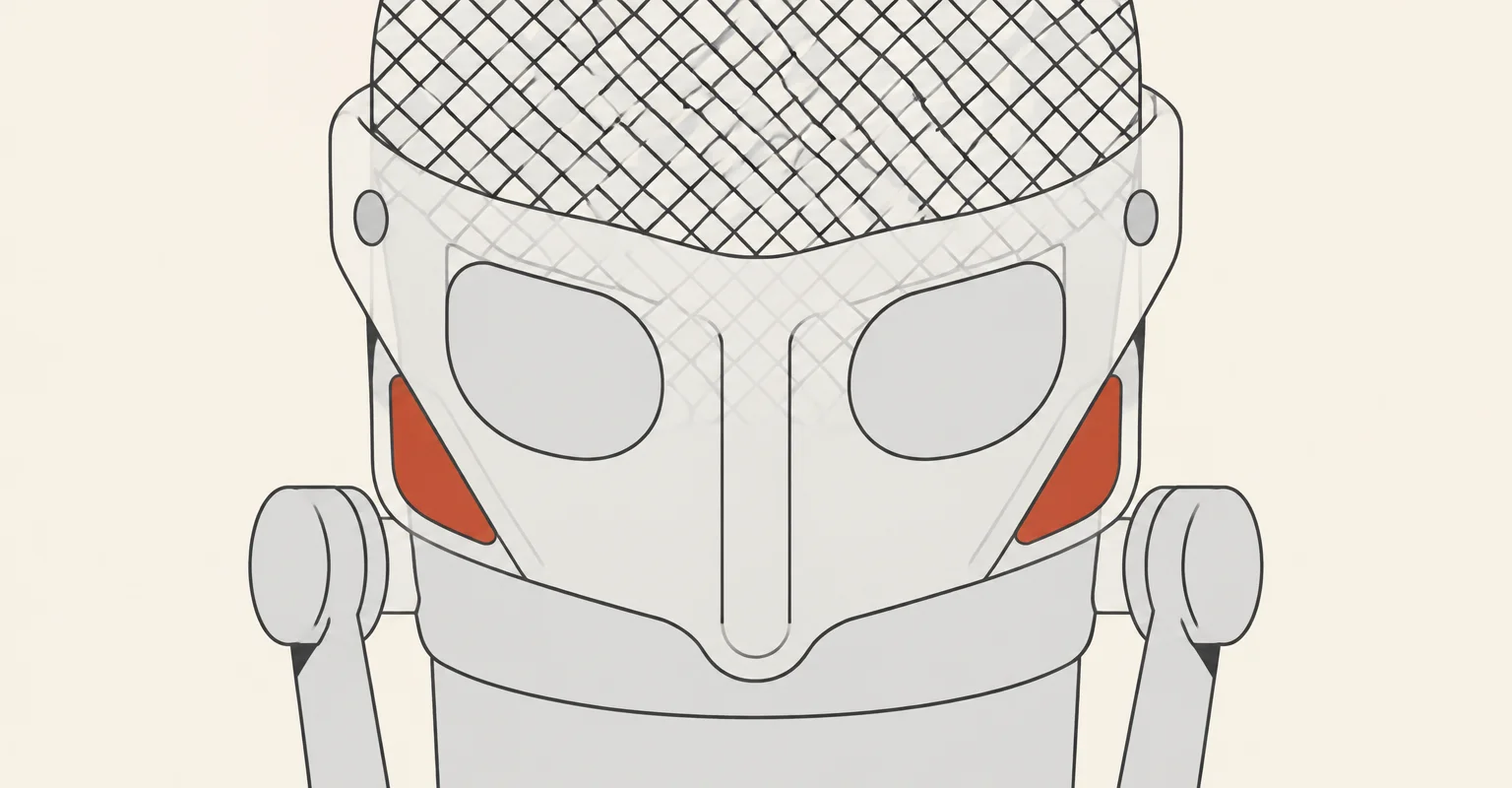
Hasbro’s AI unit Sixth Wall has developed Character.OS, a system designed to make licensed fictional characters available as controlled conversational AI experiences. It combines a character’s canon, personality, emotional range and brand rules with bespoke voice performances, aiming to give licensees an authorized alternative to unlicensed character bots.
The initial offering comprises audio-only interactions for people aged 13 and older. Hasbro has released AI versions of 12 characters for licensed experiences and enterprise uses, including Optimus Prime, Megatron, Cobra Commander, Mr. Potato Head and characters from Clue. More than a dozen characters are available for licensing as AI conversationalists.
The platform uses a “golden record” for each character. These records hold metadata governing lore, behaviour and permitted subjects, along with safety controls intended to keep responses on brand. They are designed, for example, to stop a character advocating self-harm or discussing dangerous subjects outside its knowledge.
Sixth Wall has worked with voice actors on performances made separately from work for animation and film, and developed contracts to pay them both for studio recordings and continuing use of their rights. License Global reported that the company recorded two-hour sessions to create professional voice clones, with some talent drawn from original 1980s voices.
Roberta Thomson said the work was intended to create a new revenue stream for voice talent rather than replace established work, particularly long-form cartoon voiceovers. The company instead envisages real-time, dynamic experiences, such as theme-park robots, branching ebooks and e-commerce guides.
Character.OS underpins what Hasbro calls “behavioural licensing”: licensing the way a character thinks, speaks and acts when it responds in real time. Unlike a fixed scripted performance, these non-deterministic responses must be governed while the interaction is taking place. Hasbro launched Sixth Wall alongside a strategic partnership with ElevenLabs, and its characters are available on the ElevenLabs marketplace.
The initiative followed roughly two or three years of Hasbro experiments with conversational AI after ChatGPT emerged. Those public tests included an AI Ouija experience and Trivial Pursuit Infinite, which could generate questions on any topic. Sixth Wall was formed in the middle of 2025 to turn those learnings into a studio and the Character Operating System.
Hasbro has said the project responds in part to consumers encountering unauthorized versions of popular characters across chat, voice, gaming and content-creation services. Thomson described those versions as frequently unlicensed, off-brand, potentially unsafe and not monetized by rights holders. Sixth Wall’s approach is to offer what it calls an authorized “blue check” version for companies to license, rather than relying solely on enforcement against unauthorized uses.
The safeguards screen inappropriate prompts before they reach a character and can stop an unsuitable response before it is delivered. They cover categories including violence and sexual harassment, but are adjusted to the brand: Peppa Pig would not discuss violence, while Transformers characters can discuss some violence because they fight and use weapons.
The age limit has not removed concerns about children’s likely interest. Matthew Johnson told CBC News that children can treat human-like entities as having agency and identity, raising the prospect of parasocial relationships. He also cited uncertainty over how interaction data would be collected and used, while Steve DiPaola questioned the implications of assigning intellectual-property rights to the way fictional characters think, speak and behave.
Sixth Wall hopes to add visual avatars once its voice-actor roster is more established, and ultimately aims to host a real-time character marketplace that could include smaller intellectual-property owners.
- Medium Voice and audio