ArtStation makes AI filtering the default and expands disclosure controls
Creators are asked to classify AI use, while a Strict default setting can also hide work suspected of using undeclared generative AI.
Ledger: ResistedAI is held back
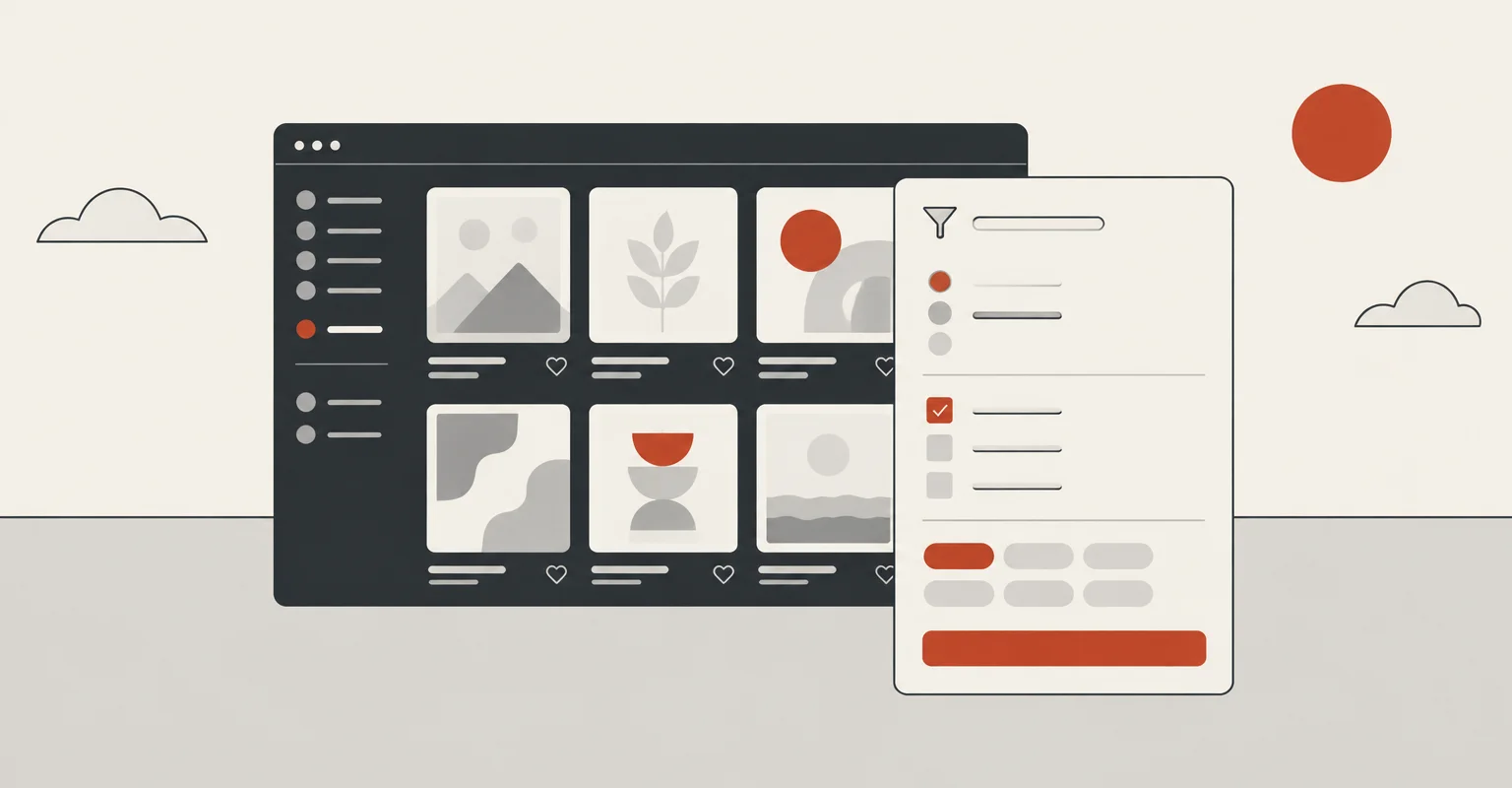
ArtStation has introduced new generative-AI controls that prompt creators to declare how AI was used in projects and hide AI-related work from users’ feeds by default. The platform’s new default setting conceals projects declared as primarily or partly AI-generated, as well as work carrying “CreatedwithAI” or generative-AI-tool tags.
Creators publishing or editing a project are asked whether a generative-AI program was used. They can identify work as primarily generative AI, a mixture of generative AI and non-generative methods, or 100% non-generative. The mixed category covers workflows such as painting over or compositing AI output, while the non-generative category is for work in which AI was not used at any stage.
The declarations implement ArtStation’s Terms of Service requirement for transparency about AI use, and are intended to give viewers information about the creative process and tools involved. The filter operates across Community, Trending, Latest, Following, Artwork Search, Channels and Search.
Users can change the setting to show all generative-AI content or permit mixed AI and non-AI workflows. They can also choose how aggressively ArtStation hides work suspected of using undisclosed AI. The default level is Strict, which hides work when only a few signals suggest AI use; Balanced requires moderate signals, while Loose requires strong signals.
The suspected-AI system draws on community reports and other information, rather than treating a single report as decisive. ArtStation says these signals are not proof. A suspicion is not displayed publicly, does not label the work and does not mark the creator’s profile.
The update also adds a reporting route for unlabeled work. A user can open a project, select Report, choose “Potentially AI Slop,” explain why they believe it contains undisclosed AI and submit an abuse report. Such reports help inform the filter but do not automatically remove or label the work; ArtStation says it will refine the tolerance controls as further reports and signals are gathered.
Creative Bloq described the reaction from artists as mixed. It argued that the approach still depends heavily on users correctly recognising AI work, leaving scope both for undisclosed material to evade filters and for the Strict setting to conceal falsely identified human-made work. The publication also said it was unclear whether artists would be notified of a flag or able to challenge it.
ArtStation previously introduced filters in 2023 that allowed visitors to exclude AI-created projects from homepage galleries, search results and marketplace listings. Those earlier filters relied on “CreatedWithAI” and generative-software tags. ArtStation also enabled its NoAI upload setting by default in September, marking work as unavailable for AI training.
The platform’s AI policy has been contentious since at least December 2022, when users filled their portfolios with “No AI Art” images that dominated its trending page. ArtStation’s response at the time was not to ban AI-generated art, but to pursue tags allowing artists to control whether their work could be used for commercial or non-commercial AI training.
- Medium Art and design