Film and TV Story from
Brooklyn Law School panel puts AI contract terms at the centre of film and TV IP
Speakers said consent, compensation, authenticity and control over digital replicas will increasingly turn on the fine print of entertainment deals.
Ledger: DisputedNo outcome yet
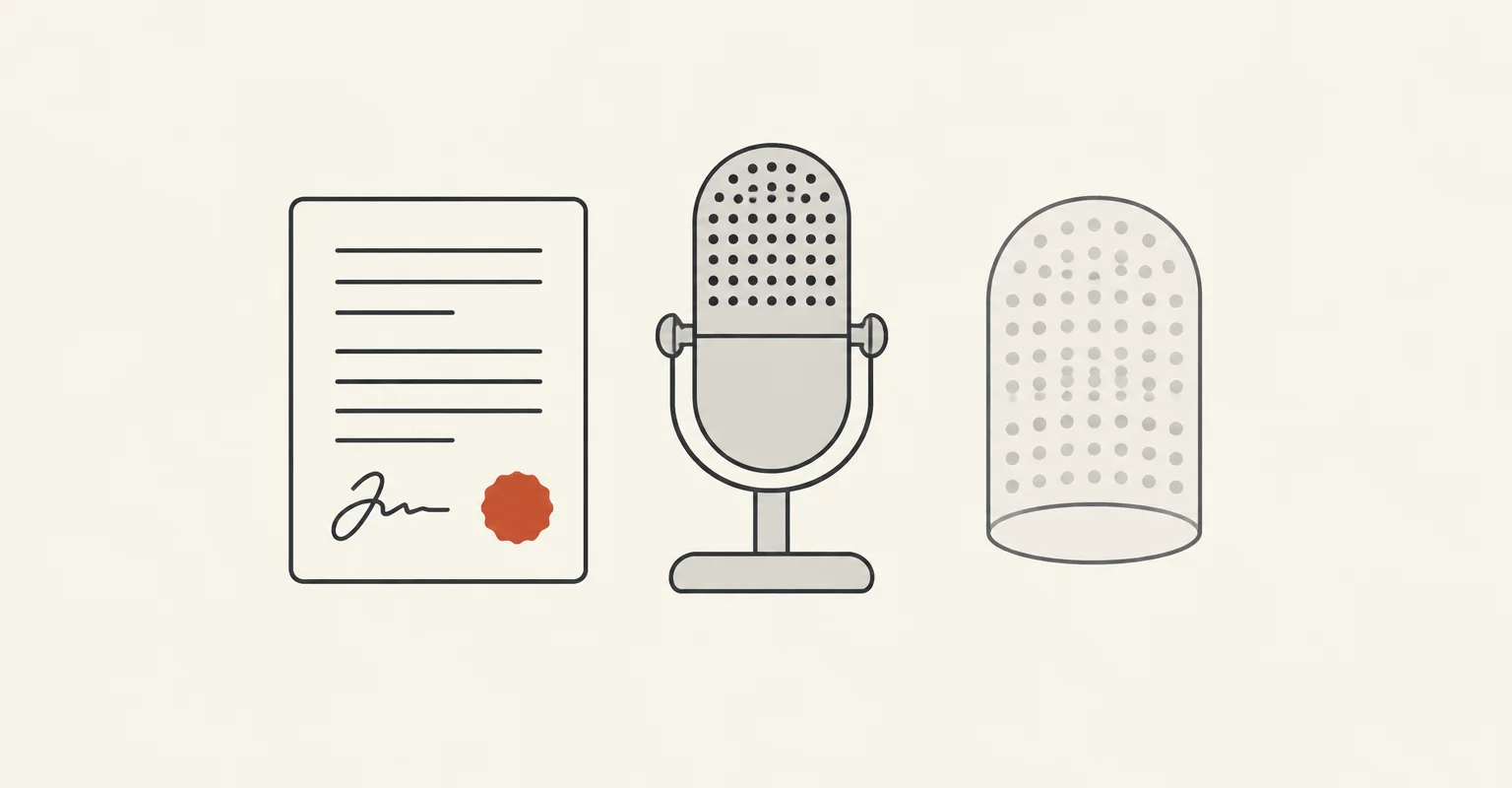
A Brooklyn Law School panel on Oct. 29 examined how artificial intelligence is reshaping the legal and commercial landscape of film and television intellectual property, including contracts written to cover uses “now known or not yet created.” The discussion centred on who controls AI reproductions of voices and performances, how compensation and consent should work, and whether technology could strengthen companies’ leverage over talent.
The Brooklyn Entertainment & Sports Law Society’s Film & TV Panel, “The Impact of AI on IP,” featured alumni Meeka Bondy, Erica Carter and Stacy Lager of the National Hockey League, according to Brooklyn Law School. Its central legal distinction was between a studio’s copyright interest in fictional characters and the separate rights associated with an actor’s name, image, likeness and voice.
That distinction can be difficult to enforce because rights of publicity differ by state. The panel used Sesame Workshop’s ownership of Elmo-related intellectual property to illustrate the point: control of a character does not erase the significance of the human performer behind it. AI can reproduce a voice performance without another recording session, creating a conflict between contractual ownership claims and a performer’s creative contribution.
Broad exploitation clauses have long given companies authority to deploy work in emerging media. But panelists said performers bound by such terms may have to renegotiate if they want limits on AI uses, a harder task for actors and athletes without substantial bargaining power. Future deals are likely to address AI-generated performances, consent, compensation and the scope of permitted replication more explicitly.
A company seeking perpetual rights to reproduce a particular performance could face demands for greater initial payment or restrictions on later uses. The panel also considered revenue-sharing arrangements for artists whose existing work contributes to AI-generated products, while warning that automation in animation and voice performance raises questions about future demand for human labour.
The practical focus extended to licensing. Panelists identified the duration and scope of permitted uses, approval rights, ownership of derivative works and indemnification against infringement claims as core provisions. They said rights holders must anticipate how property could be reproduced or misused after an agreement is signed, and argued that clear identification of AI-generated material is becoming relevant even in transactions that are not primarily about AI.
The NHL’s approach was presented as protective of its brand: licensees cannot use valuable intellectual property without limits. Unauthorized reproductions can compete with official products, disrupt exclusive arrangements and weaken rights holders’ control, while monitoring infringement across a large number of online platforms remains difficult.
The panelists were sceptical that an AI imitation would displace established entertainment and the value consumers attach to trusted brands. “Elmo is Elmo,” Carter said. An AI replica may resemble a familiar character, they argued, without providing the authenticity of an authorised version.
The debate reflects a wider policy gap around digital replicas. The U.S. Copyright Office defined them in a July 2024 report as the realistic replication of an individual’s voice or appearance through digital technology. After receiving more than 10,000 comments from all 50 states and 67 countries, it concluded that a new federal law was needed to address the risks created by AI’s speed, precision and scale. It recommended protection for all individuals, with rights that could be licensed and monetised but not assigned outright.
Collective agreements have set baseline safeguards, but the panel stressed that they may not deliver the strongest protections in every case. SAG-AFTRA’s agreement generally requires informed consent and appropriate compensation before producers create or use performers’ digital replicas, while the WGA’s agreement prevents companies from requiring writers to use AI and bars AI-generated material from receiving writing credit. AI-specific provisions on disclosure, training data, output ownership, digital likenesses and authorised uses are becoming more common in entertainment contracts.
The panel’s emphasis on licence terms and infringement risk also echoes our October report on CopySight, which said that 41% of about 150,000 AI-generated film and search items it had checked carried meaningful intellectual-property risk.
- Media Film and TV, Voice and audio