A-lehdet puts AI video-script creator in journalists’ hands
The in-house tool turns articles and interviews into short-video structures, with about half the editorial team seen as potential users.
Ledger: AdoptedAI is taken up
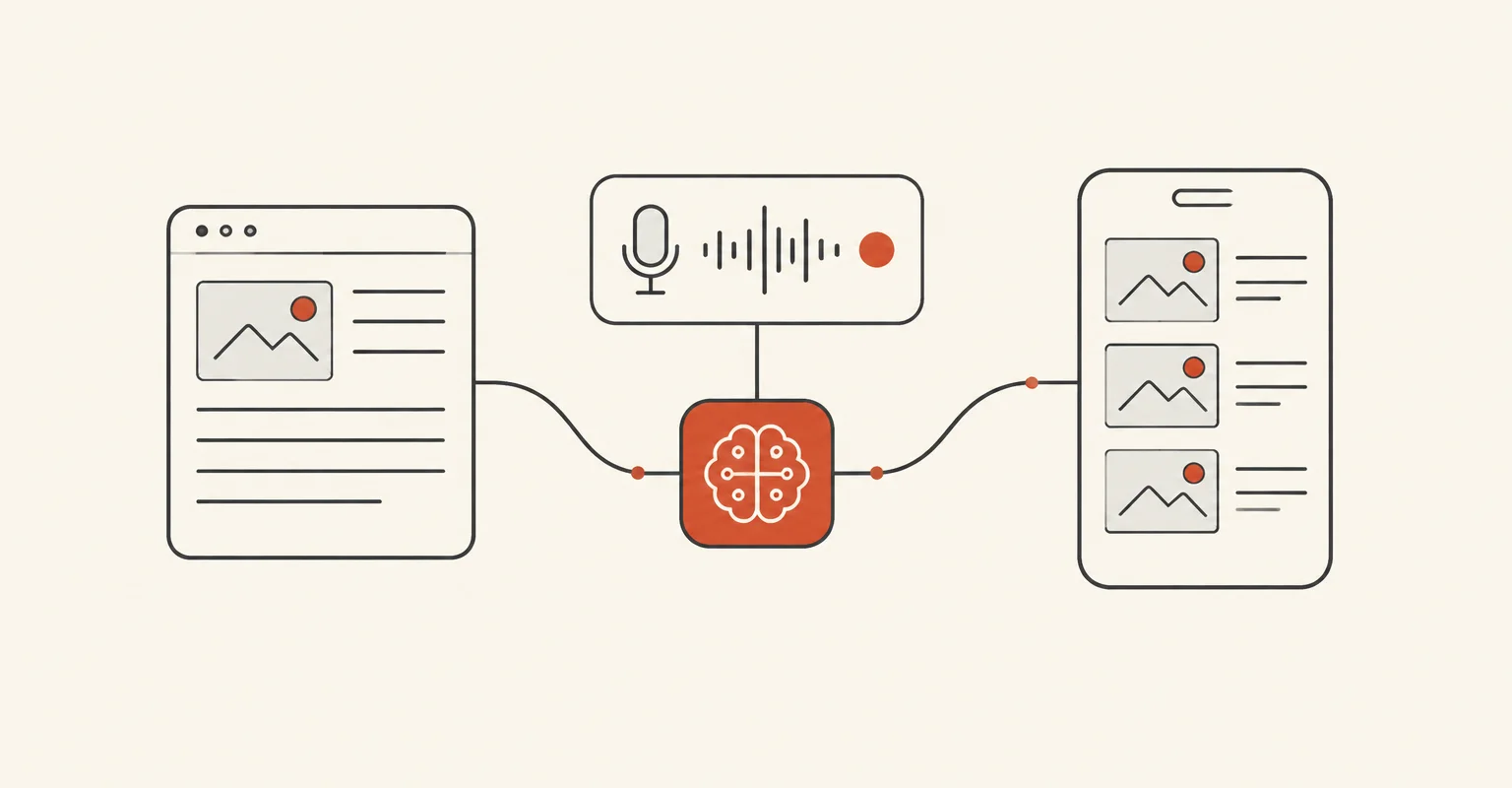
A-lehdet has put an AI-assisted script creator into wider use to help journalists turn articles and interviews into short social-media videos. The tool proposes a video structure from uploaded source material, including an opening intended to capture viewers’ attention.
The system is intended to reduce the work of adapting written journalism for mobile video and to make production less dependent on specialist teams. A-lehdet wants writers to be able to make videos independently, while allowing articles created by its freelancers to be more readily adapted for social distribution.
Milla Kukkonen, the company’s executive producer, developed the first working version in Google AI Studio before its functions were transferred to ChatGPT, the AI environment used across A-lehdet. She developed the assistant while taking part in WAN-IFRA’s NextGen AI Leaders programme, conducted with the Google News Initiative, according to WAN-IFRA.
Editorial colleagues provided feedback during development, and a working prototype was completed before the programme ended. The tool was built to work in Finnish and is now widely available within the company.
Kukkonen estimates that about half of A-lehdet’s editorial staff could be potential users. Its relatively flat structure means many employees already contribute to social-media content, while mobile video has become increasingly important in its content strategy.
A central difficulty in short-form video is creating a strong hook that distils an article into an interesting question and holds attention from the start. The script creator addresses that specific step by generating an attention-grabbing opening alongside the broader script structure.
The project reflects broader workflow pressure on publishers using social platforms for video distribution, from reporting and writing through to editing, particularly where video-production resources are limited. Kukkonen said implementation required shared goals, clear responsibilities and collaboration, rather than simply introducing a new tool.
She also argued that staff should be able to raise concerns about AI’s effects on journalism quality, professional competence and meaningful work, and that learning and upskilling should be coordinated across the company. Kukkonen said the experiment reinforced her view that journalists’ ability to uncover and report previously unrevealed issues remains their distinctive advantage over AI models.
- Media Journalism, Video