Sound Ethics expands university network for AI-music research
Twelve teams are working on attribution, training-data provenance, detection, watermarking and artist controls through 2027.
Ledger: AdoptedAI is taken up
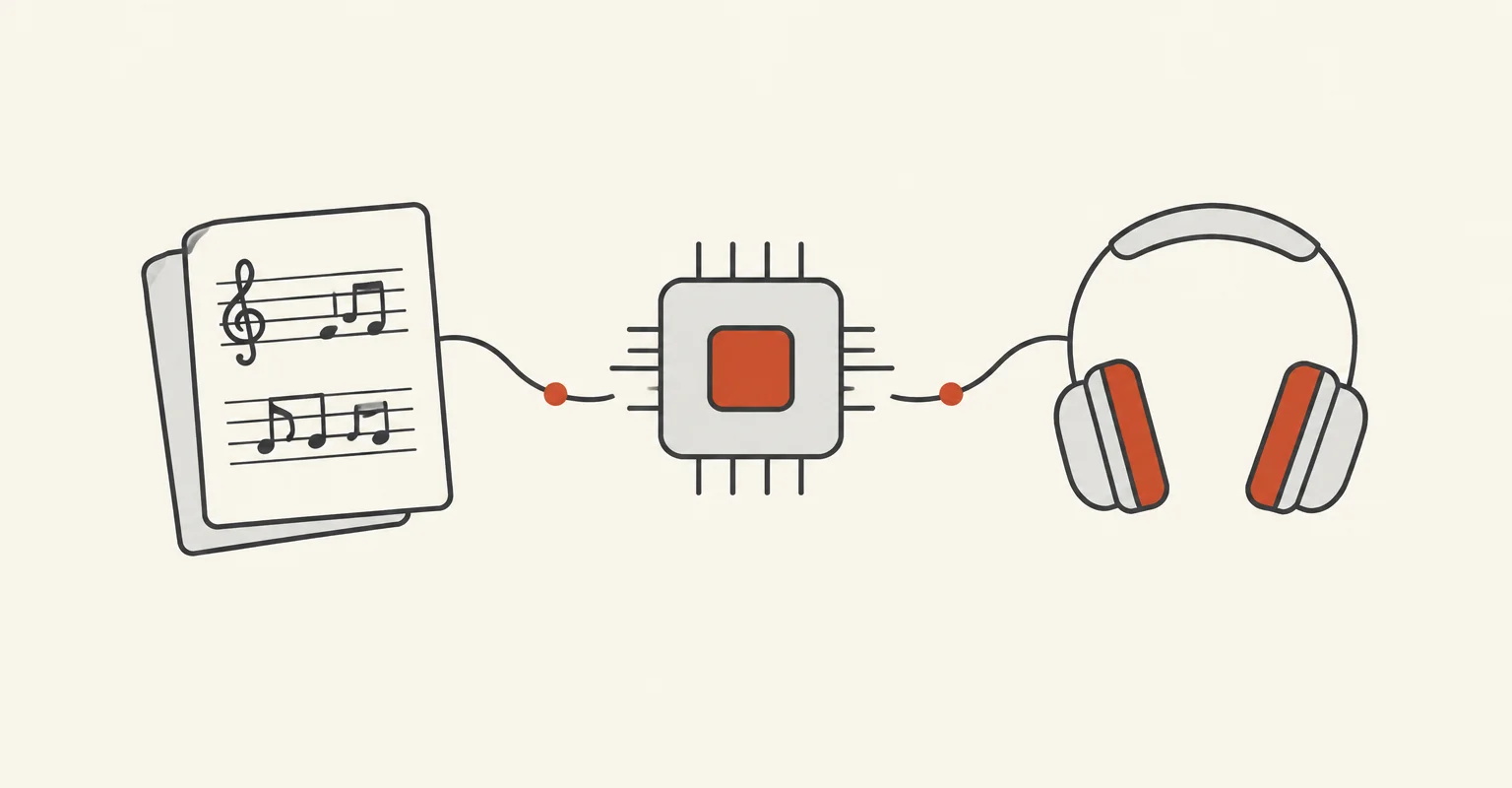
Sound Ethics has set out 2026-27 priorities for its University AI Music Research Initiative, saying more than 100 current and former researchers have worked directly on its projects across a network of university labs.
The programme now comprises 12 teams across eight data-science, computer-science and machine-learning laboratories. Its named university partners include UCLA, NYU, UC Berkeley, UC Santa Barbara, UC Irvine, UC Riverside and Cal Poly, and Sound Ethics is an industry partner of UCLA’s Master of Applied Statistics and Data Science programme.
The initiative brings faculty advisers and student researchers together with the organisation’s engineers, data scientists and music-industry contributors. Sound Ethics said it places projects in university labs because much AI development begins there, and it wants responsible practices and standards to be established at that stage.
Its work is organised around five areas: tracing musical influence in generated songs; identifying songs used in model training; developing generative systems that retain information about inputs, outputs and influence; detecting and watermarking AI-generated music, singing and speech; and researching artist opt-in and opt-out controls intended to restrict unauthorised AI use of music.
The attribution programme began in 2023 and expanded through a collaboration with NYU in 2025. Methods developed in 2025 and 2026 are now being benchmarked with UC Berkeley Engineering and NYU Data Science researchers. NYU’s work in the current research cycle includes watermarking and its application to attribution.
Three university teams at two institutions are conducting AI-detection research alongside models trained by Sound Ethics. The organisation also received an ACCESS grant while working with a UC Santa Barbara team, and said a paper on cross-domain speech-deepfake detection had been accepted for IEEE ISM 2026.
Sound Ethics announced a partnership with UC Irvine’s School of Information and Computer Sciences in February 2025, which formed part of its Labs to Legends programme. That collaboration was intended to connect academic work with industry needs through mentorship, ethically curated datasets and practices centred on transparency, attribution and compliance.
Sound Ethics, a self-funded independent organisation founded in 2023 and based in Hollywood, said the projects are meant to create a practical route from research to commercial deployment while respecting creative rights. Its attribution methods are set to remain under benchmarking with UC Berkeley and NYU researchers through July 2027.
- Medium Music