Phrasly launches free detector for AI-generated images
The no-sign-up tool combines image analysis with watermark and provenance checks, but independent evidence underscores the limits of automated detection.
Ledger: AdoptedAI is taken up
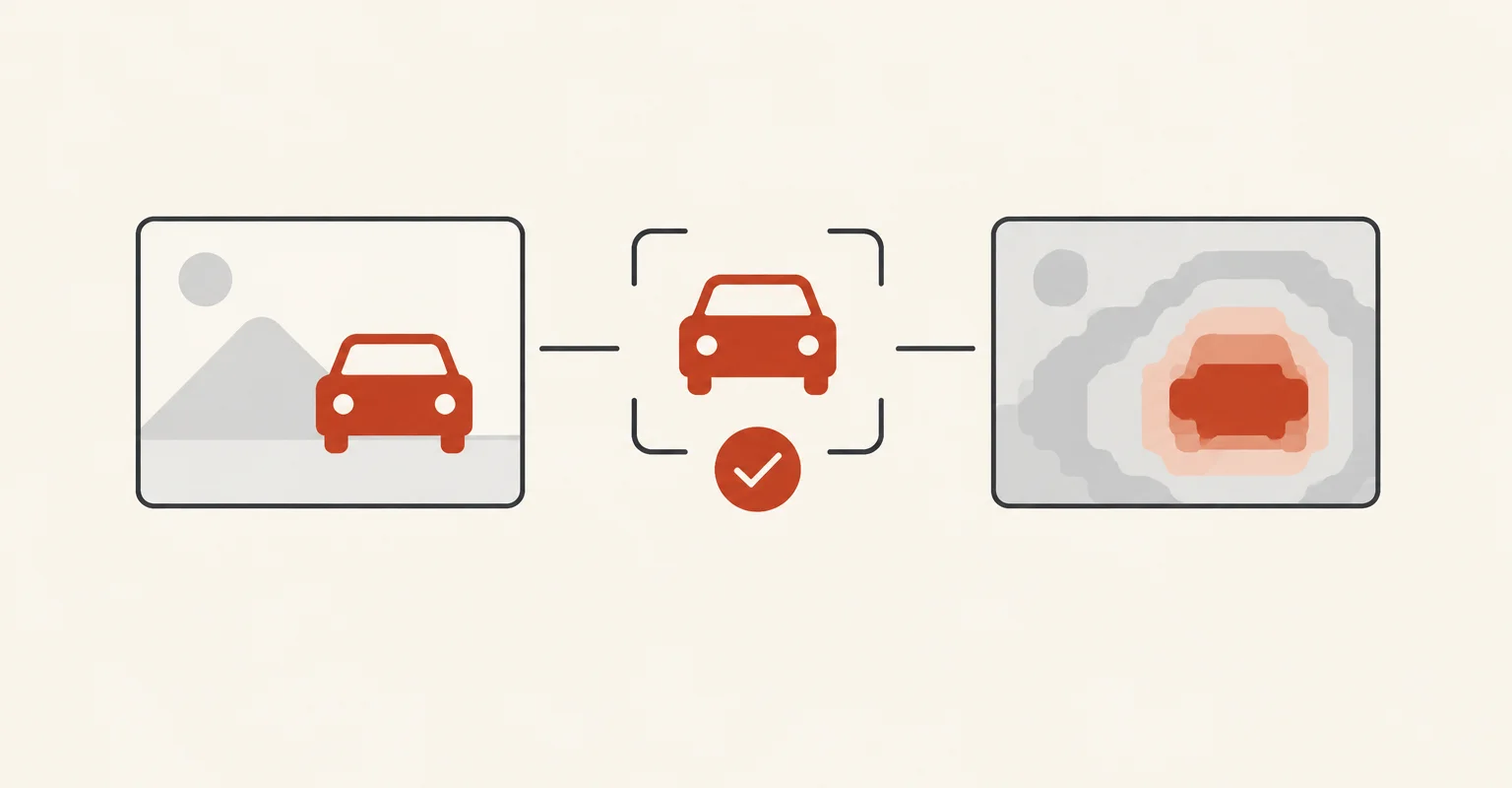
Phrasly has launched a free tool that assesses whether photographs and artwork contain AI-generated material, offering a verdict, confidence score and heatmap of the image areas that triggered its analysis. The service, released Nov. 3, requires no account, places no limit on scans and processes images in memory rather than storing them.
The company built the detector for journalists, teachers, content moderators and buyers who need to judge an image before acting on it. Phrasly’s chief executive, Victor Rijo, said images are often screenshotted and reposted until any file-based proof has disappeared, and that the product was designed to analyse the picture itself.
Uploads can be made by file upload, drag and drop, pasted image or image link. The tool accepts JPG, PNG, WebP, HEIC, AVIF and GIF files of up to 20 MB. It is Phrasly’s first image-detection product and operates alongside its AI text detector; the company says its broader writing platform has more than 5 million users in over 180 countries.
Phrasly says it trained its own detection model on millions of real photographs and AI images from major generators. Each scan combines that model with a check for Google DeepMind’s SynthID watermark and verification of AI signatures against the official C2PA trust list. The company says the tool can also assess screenshots and re-uploads that have lost metadata, and uses its heatmap to indicate an allegedly generated region in a partly AI-made image rather than returning only a whole-image judgement.
The company said its own tests showed accuracy above 99%, including on images with and without watermarks from systems including ChatGPT, DALL-E, Gemini, Midjourney, Stable Diffusion, FLUX and Adobe Firefly. That is a company test result, rather than an independent evaluation.
The launch comes as research has shown the difficulty people have in distinguishing synthetic pictures. In a 2025 Microsoft AI for Good Lab experiment cited in the launch announcement, more than 12,500 participants correctly identified real and AI-generated photographs 62% of the time. A separate 2025 academic study of 161 people found that participants correctly identified 61.08% of AI-generated images, compared with 78.03% of human-made images. Visual professionals identified AI-generated images correctly 62.09% of the time, only modestly above the 60.28% rate for non-visual professionals.
The tool’s use of provenance signals also has limits. Joint cybersecurity guidance from the NSA and partner agencies says Content Credentials use cryptographically signed metadata to record a work’s origin and editing history, but are generally opt-in. The absence of provenance information therefore does not itself make an image less trustworthy.
Independent reporting has also raised questions about treating detector results as decisive. Full Fact found five apparently genuine, unaltered images that Google’s SynthID Detector had flagged; after being presented with the findings, Google changed their classifications to “Unsure” and added a public confidence tier. Full Fact said such a detector should not be used alone to decide whether an image is AI-generated or manipulated.
- Media Photography and images, Journalism