Anthropic tells Claude Code not to recreate specific video games
The Opus 5.5 instruction permits original and genre games, but its practical boundary with reverse engineering remains unclear.
Ledger: ResistedAI is held back
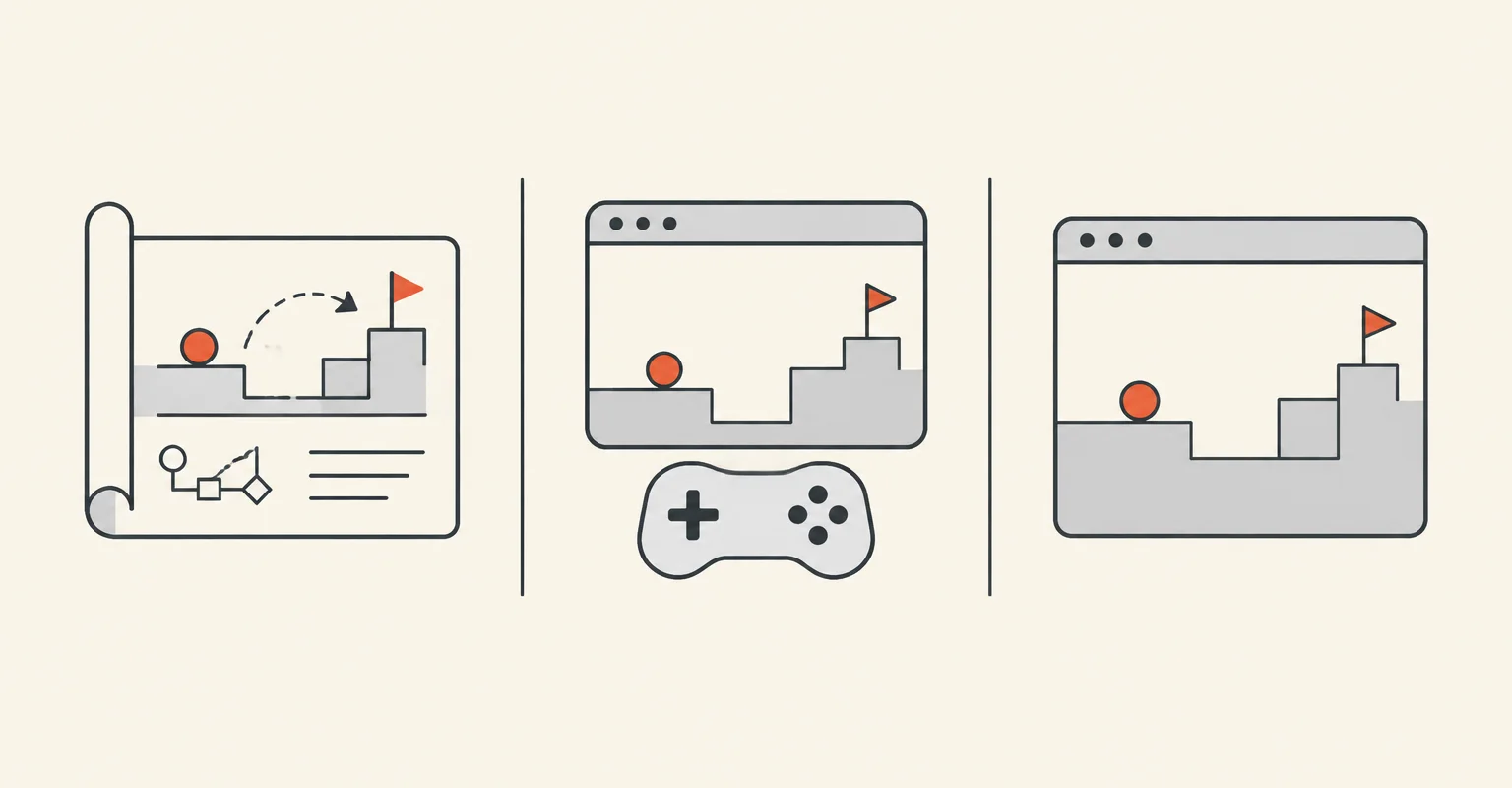
Anthropic has updated Claude Code’s instructions for Opus 5.5 to bar the tool from recreating a particular existing video game, including where a user renames the title or calls the result original. The new guidance allows users to make original games, games within a genre and projects based on their own designs and assets.
The rule appeared in the Opus 5.5 changelog on Oct. 27 under the identifier “tengu_heron_brook.” Game Developer reported that Anthropic confirmed it had added two sentences to steer Claude Code away from recreating another party’s game because using Claude to infringe intellectual property breaches its usage policy.
The wording draws a broad line: “Do not build a recreation of a specific existing game,” while permitting original and genre-based work. Anthropic technical staff member Addy Osmani said the company would continue to refine the restriction to find the right balance, and invited reports where the system rejects work that belongs to the user.
How consistently the instruction is being applied remains unclear. XDA Developers independently found the wording in version 2.1.314 of the Claude Code binary, but said its presence did not establish that every user or model received it. Its examination found that the remote configuration mechanism was not created solely for game restrictions, while a separate Opus 5.5 prompt-bundle mechanism could deliver the game guidance.
In XDA’s tests, Opus 5.5 refused a request to recreate “Pokémon Diamond,” including under another name, but agreed to help with proposed decompilation and static recompilation work. The tests did not show whether Claude would actually complete either project, leaving uncertainty over where Anthropic will draw the line between recreation and reverse engineering.
The change arrives as game makers have voiced concern that AI tools can accelerate cloning. Ars Technica reported that Alliance Arts replaced a planned public demo of “Drunken Goddess Reflux” with closed sessions after fearing that its presentation and gameplay could be imitated before launch. Freya Holmér said AI-assisted copies of her Tetris-style prototype appeared within days of her sharing a video.
Aftermath reported that several developers had curtailed demos, playtests and public materials as cloning processes that once took weeks or months could be reduced to days. Anthropic’s intervention places a product-level constraint on one route to such work, while leaving legitimate genre development explicitly allowed. The company said it will continue iterating on the restriction.